Local Tour Operator – African Trek & Travel Tanzania Safari...
Read More
African Trek & Travel | February 2027 Wildebeest Calving Season Safaris
Tanzania Safari Tours in February for Calving Season 2027
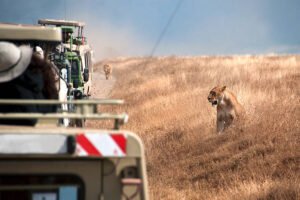
Experience one of Africa's most remarkable wildlife spectacles with our Tanzania Safari Tours in February for Calving Season. February is among the most exciting months to explore the southern Serengeti ecosystem, where large numbers of wildebeest and zebras often gather across the fresh green plains of Ndutu, southern Serengeti and surrounding Ngorongoro Conservation Area habitats. During this period, many wildebeest give birth within a relatively short seasonal window, creating extraordinary opportunities to observe young calves, protective mothers, grazing herds and natural interactions between predators and prey. Search for lions resting in the grasslands, cheetahs exploring open savannah, hyenas moving near large herds and numerous other African animals while accompanied by a professional local safari guide. Our February 2027 Tanzania safari tours are designed for travelers who want to explore the Great Migration calving season and combine this experience with Tanzania's most famous national parks.
The wildebeest calving season is an important stage of the annual Great Migration, a remarkable movement of grazing animals through the Serengeti–Mara ecosystem. After seasonal rainfall produces fresh grasses, many herds move toward the nutrient rich short grass plains of the southern Serengeti and Ndutu region. These habitats provide important grazing opportunities for pregnant wildebeest and support the growth of newborn calves. The calving period commonly develops from late January through February and sometimes extends into March, depending on rainfall, vegetation and the movements of the animals. February is often at the center of this activity, with enormous numbers of wildebeest calves born over several weeks. However, the Great Migration is not controlled by a fixed calendar. Actual herd locations and birth patterns vary, and no safari operator can guarantee that a particular animal will give birth or that a hunt will occur during a specific game drive.
Our featured eight day Tanzania calving season safari includes seven accommodation nights: one night in Arusha, two nights in Karatu, three nights in the Ndutu area and one night in Central Serengeti. The adventure begins with arrival at Kilimanjaro International Airport and a relaxing evening in Arusha before traveling to Tarangire National Park to discover elephants and spectacular baobab landscapes. Continue to Ngorongoro Crater for a guided wildlife game drive, with opportunities to see lions, buffaloes, zebras, hippos, elephants and other animals. The main focus of the safari then shifts to Ndutu, where three accommodation nights provide two complete days dedicated to exploring seasonal wildebeest calving habitats. Spend time searching for large herds, newborn calves, cheetahs, lions and other wildlife while enjoying beautiful green plains. Continue to Central Serengeti for a different wildlife experience before departing from a suitable Serengeti airstrip on Day 8 using a separately confirmed flight arrangement.
February is especially rewarding for wildlife photographers and nature enthusiasts interested in the relationship between predator populations and seasonal migration herds. The open southern plains can provide excellent visibility for photographing wildebeest, calves, zebras and cheetahs in suitable habitats. Lions and spotted hyenas may also be encountered in the wider ecosystem. However, calving season wildlife experiences can include distressing natural events, and not every traveler wants to watch predation. A private safari allows guests to discuss their interests and comfort levels with the guide. Travelers interested in wildlife photography may request longer observation periods at suitable locations, while families may prefer a more flexible itinerary with appropriate rest stops. All animal viewing must respect conservation rules and avoid disturbing wildlife.
African Trek & Travel offers customizable Tanzania safari tours in February 2027, ranging from shorter three and four day Ndutu safari packages to extended eight, nine and ten day wildlife adventures. Choose a private 4x4 safari with a dedicated professional guide, inquire about available group joining departures or select an accommodation standard suitable for your travel budget. Options may include budget camping where permitted, comfortable midrange lodges, furnished tented camps and selected premium migration properties. Our itineraries can also include Central Serengeti, Ngorongoro Crater, Tarangire, Lake Manyara, Zanzibar beach extensions or Kilimanjaro climbing. We recommend allocating enough time in or near the Ndutu ecosystem when calving season is your main interest, rather than booking a safari that passes through the area without sufficient wildlife viewing time.
February 2027 Tanzania Safari
Wildebeest Calving Season
Ndutu Migration Safari
Southern Serengeti
Great Wildebeest Migration
Newborn Wildebeest Calves
Predator Wildlife Safari
Lion and Cheetah Safari
Ngorongoro Crater
Tarangire National Park
Central Serengeti
3 to 10 Day Packages
8 Day Featured Itinerary
Private Wildlife Safari
Group Joining Options
Midrange and Luxury Camps
Wildlife Photography
February 2027 Departures
Copy the complete HTML, CSS and JavaScript source using the button above.
Wildebeest calving, predator hunts, herd concentrations and weather cannot be guaranteed. Exact February 2027 departures, accommodation, park charges and flight seats require confirmation.
February 2027
Southern Serengeti calving season
3–10 Days
Flexible safari package durations
3 Ndutu Nights
Featured migration focused itinerary
Private & Group
Different safari arrangements
Best Tanzania Safari Tours in February for Wildebeest Calving Season 2027
A Tanzania safari in February offers the opportunity to experience a remarkable chapter of the Great Wildebeest Migration. Each year, seasonal rains and fresh grasses attract large numbers of grazing animals to the southern Serengeti ecosystem, including the well known Ndutu region and surrounding short grass plains. February is commonly associated with a major concentration of wildebeest births, when adult females give birth to calves within a relatively short period. The appearance of newborn animals, large migrating herds and the presence of predators makes the calving season especially fascinating for wildlife travelers and photographers. The landscape may be green and productive, supporting wildebeest, zebras, gazelles and a range of resident animal species. The exact timing and geographical distribution of the herds depend on rainfall and grazing conditions, and the location of a particular animal cannot be predicted.
The Ndutu region is one of the most important places to consider for a February calving season safari. Ndutu lies within the wider Serengeti ecosystem, with significant areas around Lake Ndutu and the surrounding plains falling within Ngorongoro Conservation Area. The area connects with suitable wildlife habitats in southern Serengeti National Park, and animals move freely across these landscapes. Seasonal short grasses provide nutritious grazing for large herds during the calving period. Pregnant wildebeest may gather across open plains where calves can be born and begin moving with the herd. Lions, cheetahs, hyenas and other predators also inhabit the ecosystem, creating opportunities to observe natural predator and prey behavior. Some encounters may involve hunting or scavenging, but wildlife behavior should never be staged, encouraged or disturbed to create photographs.
The featured eight day February 2027 safari begins with arrival at Kilimanjaro International Airport and one night in Arusha. On Day 2, visit Tarangire National Park for an elephant safari and overnight in Karatu. Day 3 includes a wildlife excursion inside Ngorongoro Crater before returning to Karatu for a second night. Days 4 through 6 focus on the southern migration ecosystem, with three Ndutu accommodation nights and two complete game drive days among the seasonal herds. The safari continues to Central Serengeti on Day 7, providing opportunities to explore the famous Seronera region and its resident wildlife. On Day 8, depart from an appropriate Serengeti airstrip on a confirmed domestic flight toward Arusha when available, with onward transfer arrangements coordinated according to your schedule. Travelers who prefer to return entirely by road should allow additional travel time and discuss a revised itinerary.
February safari planning also requires a thoughtful approach to accommodation and weather. Ndutu is especially popular during the main calving period, so suitable lodges and seasonal migration camps can have limited availability. Booking early is advisable for travelers who prefer a specific camp or accommodation standard. Green season conditions can include warm afternoons, cooler mornings in highland areas and occasional rainfall. Wet roads may affect access to some wildlife viewing routes, so a suitable safari vehicle and experienced guide are important. The accommodation should be chosen according to its actual geographical location, not simply because it is advertised as a Serengeti camp. A property in Central Serengeti may be a considerable distance from the southern calving plains.
African Trek & Travel offers February calving season safari packages designed around the wildlife interests, available travel dates and budgets of different guests. Shorter trips may focus directly on Ndutu and Ngorongoro, while longer itineraries can include Tarangire, Lake Manyara and Central Serengeti. Private safaris allow greater flexibility for photography and game drive planning, while suitable confirmed group joining options may be available for budget conscious travelers. Midrange and luxury accommodation can be selected based on the desired level of comfort and proximity to seasonal wildlife areas. Every customized quotation should identify the safari route, accommodation nights, vehicle arrangements, professional guiding, park charges, meals, any domestic flights and airport transfers. A well planned February safari offers an extraordinary opportunity to explore the Serengeti calving season while respecting the natural behavior of wildlife.
Why February Is Famous for Wildebeest Calving
The southern Serengeti and Ndutu short grass plains are important seasonal nursery habitats for wildebeest. Many births commonly occur during February, but the exact timing depends on rainfall, grazing conditions and herd movements. We recommend spending at least two or three nights in a suitable southern migration area when calving is your primary interest.
Why Book Tanzania Safari Tours in February for Calving Season?
Extraordinary Natural Event
Wildebeest Calving Season
Explore the southern plains during a period commonly associated with large numbers of wildebeest births.
Seasonal Wildlife Movement
Great Migration Herds
Look for large groups of wildebeest and zebras feeding on fresh grasses in suitable habitats.
Open Plains Wildlife
Cheetah Safari
Discover the beautiful grassland environments occupied by cheetahs and other predators.
Large African Predators
Lions and Hyenas
Search for lions, hyenas and other predators in areas supporting migrating prey populations.
Seasonal Wildlife Photography
Newborn Calf Photography
Photograph grazing herds and young wildebeest when natural calving activity is occurring.
Beautiful Natural Scenery
Green Serengeti Plains
Enjoy nutrient rich grasslands and attractive landscapes shaped by seasonal rainfall.
Iconic Northern Tanzania Safari
Ngorongoro Crater
Combine the calving season with remarkable wildlife viewing in the famous volcanic caldera.
Different Wildlife Habitats
Tarangire Elephant Safari
Discover elephants, baobab trees and varied habitats during a guided Tarangire excursion.
Personalized Safari Experience
Private 4x4 Game Drives
Discuss suitable observation time, photography stops and wildlife interests with your own guide.
Flexible Travel Budgets
Midrange and Luxury Camps
Choose accommodation within reach of important seasonal wildlife habitats, according to availability.
Best Tanzania Safari Packages in February for Wildebeest Calving Season
Our February safari options are designed for travelers with different amounts of available time. Shorter tours concentrate on the main calving area, while longer packages combine the southern Serengeti ecosystem with Ngorongoro, Tarangire and Central Serengeti.
Short Migration Safari
3 Day Ndutu Calving Season Safari in February
Travel from Arusha to Ndutu for two nights and explore seasonal migration habitats before returning to Arusha. The long transfers leave limited time for wildlife viewing compared with longer tours.
Best for travelers with limited time who prioritize Ndutu.
Focused Calving Experience
4 Day Southern Serengeti and Ndutu Calving Safari
Enjoy three nights in a suitable Ndutu or southern migration camp, with additional time for wildlife observation compared with a three day safari.
Best for a concentrated wildebeest calving safari.
Calving and Crater Combination
5 Day Ndutu, Ngorongoro Crater and Southern Migration Safari
Combine a Karatu overnight, two or three nights near southern migration habitats and an Ngorongoro Crater wildlife excursion, depending on your final routing.
Best for calving wildlife and famous crater scenery.
Private Wildlife Adventure
6 Day Tanzania Calving Season and Predator Safari
Spend several nights around Ndutu while including Ngorongoro and selected northern Tanzania wildlife viewing, with private or suitable shared arrangements.
Best for big cats, wildebeest herds and wildlife photography.
Extended Ndutu Experience
7 Day February Wildebeest Calving Season Safari
Combine one Arusha night, two Karatu nights and three Ndutu nights to explore Tarangire, Ngorongoro and the southern migration ecosystem.
Best for travelers who want multiple Ndutu game drives.
Featured February 2027 Safari
8 Day Tarangire, Ngorongoro, Ndutu and Serengeti Safari
Enjoy one Arusha night, two Karatu nights, three Ndutu nights and one Central Serengeti night, followed by an arranged departure flight when available.
Best for a complete February calving season wildlife holiday.
Extended Photography Safari
9 Day Ndutu Calving Season and Central Serengeti Safari
Spend additional days exploring southern migration habitats and the Central Serengeti region with a professional private safari guide.
Best for photographers seeking more observation time.
Premium Migration Vacation
10 Day Luxury Tanzania Wildebeest Calving Safari
Choose premium accommodation, an extended southern Serengeti stay, Ngorongoro wildlife viewing and additional Central Serengeti game drives.
Best for couples and luxury wildlife travelers.
Safari and Tropical Island Extension
12 Day February Calving Safari and Zanzibar Holiday
Combine a customized mainland wildlife safari with a four or five night Zanzibar resort extension, depending on the final safari duration.
Best for couples and travelers combining wildlife and beach relaxation.
Migration and Mountain Adventure
Kilimanjaro Climb and February Calving Season Safari
Combine a suitable Kilimanjaro trekking route with a separate Ndutu and Ngorongoro wildlife safari after the climb.
Best for adventurous travelers with an extended holiday.| Safari Package | Duration | Main Destinations | Accommodation Style | Best For |
|---|---|---|---|---|
| Short Ndutu Safari | 3 Days | Ndutu | Suitable seasonal camp | Short calving focused trip |
| Ndutu Wildlife Safari | 4 Days | Ndutu and southern plains | Migration lodge or camp | Additional wildlife time |
| Ndutu and Crater | 5 Days | Ndutu, Ngorongoro | Midrange or luxury | Migration and crater |
| Predator Safari | 6 Days | Ndutu, Ngorongoro, optional Tarangire | Camping or lodge | Big cat viewing |
| Extended Calving Safari | 7 Days | Tarangire, Ngorongoro, Ndutu | Midrange or luxury | Three Ndutu nights |
| Featured February Safari | 8 Days | Tarangire, Ngorongoro, Ndutu, Serengeti | Midrange or luxury | Complete northern safari |
| Extended Photography | 9 Days | Ndutu, Central Serengeti, Ngorongoro | Selected safari camps | Wildlife photographers |
| Luxury Migration Safari | 10 Days | Southern and Central Serengeti | Luxury tented camps | Premium safari holiday |
Choosing the Best Calving Season Package
If calving is your main reason for visiting Tanzania in February, prioritize the number of nights spent in or near Ndutu and southern Serengeti. A standard Serengeti tour that stays entirely around Seronera may not provide sufficient time in the main seasonal nursery habitats.
Best February 2027 Dates for Wildebeest Calving Season Safaris
February is traditionally one of the main months for wildebeest calving in southern Serengeti and Ndutu. Travelers can consider different departure windows, but wildlife movements and birth dates cannot be predicted precisely.
| Travel Dates | Seasonal Wildlife Interest | Recommended Safari Planning |
|---|---|---|
| 1–7 February 2027 | Calving activity may already be underway on suitable southern plains. | Choose a Ndutu focused itinerary with more than one wildlife day. |
| 8–14 February 2027 | February is commonly associated with substantial calving activity, with timing dependent on rainfall. | Prioritize southern grazing habitats and enough observation time. |
| 15–21 February 2027 | Herds and newborn calves may remain in suitable southern habitats. | Explore Ndutu, southern Serengeti and appropriate predator areas. |
| 22–28 February 2027 | Seasonal calving and grazing activity may continue into late February and March. | Use flexible wildlife routes and verify current herd locations. |
These are planning windows, not predictions of specific births. A February 2027 safari should be designed using the best available local wildlife information closer to departure.
8 Day Tanzania Calving Season Safari Itinerary at a Glance
Kilimanjaro Airport→
Arusha→
Tarangire→
Ngorongoro→
Ndutu→
Central Serengeti✈
Arusha
| Day | Destination | Wildlife Experience | Overnight |
|---|---|---|---|
| Day 1 | Arusha | Arrival, hotel check in and pre safari briefing | Arusha |
| Day 2 | Tarangire | Elephant safari and baobab landscapes | Karatu |
| Day 3 | Ngorongoro Crater | Crater game drive and diverse wildlife | Karatu |
| Day 4 | Ndutu | Transfer to southern migration habitats | Ndutu |
| Day 5 | Ndutu | Full wildebeest calving season game drive | Ndutu |
| Day 6 | Ndutu | Second complete calving and predator safari | Ndutu |
| Day 7 | Central Serengeti | Seronera wildlife habitats and big cat viewing | Serengeti |
| Day 8 | Seronera to Arusha | Transfer to airstrip and scheduled domestic flight when confirmed | Departure or extra hotel night |
Day 8 Flight Arrangements
The featured itinerary is designed around a confirmed scheduled flight from a suitable Central Serengeti airstrip to Arusha. Flight fares, seat availability and onward international connections require confirmation. A road return from Central Serengeti is not assumed to fit comfortably into the same departure day; a revised route or additional overnight may be necessary.
Complete 8 Day Tanzania Safari Tour in February for Wildebeest Calving Season
The featured safari combines some of northern Tanzania's most famous wildlife destinations while prioritizing extended time around the Ndutu calving season ecosystem. Three Ndutu nights allow two complete days for seasonal wildlife exploration, rather than a brief stop along the road.
8 Days / 7 Nights / February 2027 Southern Serengeti Calving Season Safari
Tarangire, Ngorongoro Crater, Three Ndutu Nights and Central Serengeti
One Arusha night, two Karatu nights, three Ndutu accommodation nights and one Central Serengeti night.
DAY 01 / ARRIVAL IN TANZANIA
Kilimanjaro International Airport Arrival and Overnight in Arusha
Welcome to Tanzania, where your exciting February wildebeest calving season safari begins.
Upon arrival at Kilimanjaro International Airport, complete the required immigration formalities and collect your luggage before meeting your arranged airport transfer driver.
Travel toward Arusha, one of the main starting points for northern Tanzania wildlife safaris.
During the journey, enjoy your first views of the surrounding countryside and the landscapes that make this part of Tanzania special.
Upon reaching your selected hotel, complete check in and take time to relax after your international journey.
Depending on the arrival schedule, meet your professional safari guide or a company representative for a short briefing about the safari.
Discuss the itinerary through Tarangire National Park, Ngorongoro Crater, Ndutu and Central Serengeti.
Your guide can explain the nature of the wildebeest calving season, the importance of southern grazing habitats and why the exact position of migration herds may change.
If you are particularly interested in newborn calves, cheetahs, lions or wildlife photography, share those priorities before departing for the national parks.
Review the expected road transfers, suitable clothing, weather considerations, game drive safety procedures and accommodation arrangements.
Enjoy dinner according to your hotel booking and prepare for your first game drive the following morning.
Overnight: Selected Arusha hotel, night 1 of 1. Meals: According to the confirmed arrival hotel plan. Safari Highlight: Welcome to Tanzania and preparation for the February calving season adventure.
DAY 02 / TARANGIRE NATIONAL PARK
Tarangire Elephant Safari and Scenic Drive to Karatu
After breakfast, meet your professional safari guide and depart from Arusha toward Tarangire National Park.
Tarangire is one of Tanzania's most attractive wildlife destinations, known for African elephants, ancient baobab trees and beautiful savannah landscapes.
Travel through the northern Tanzania countryside before arriving at the park entrance and completing the necessary procedures.
Begin your guided game drive through woodland and open grassland habitats, looking for animals moving naturally through the landscape.
African elephants are among the park's most recognizable inhabitants, and visitors may encounter individuals or herds in suitable areas.
Other possible sightings include giraffes, buffaloes, zebras, wildebeest, impalas, monkeys and various bird species.
Lions also inhabit the park, although individual predator sightings depend on natural conditions.
February can bring green scenery and more widely distributed grazing resources than the driest months, influencing where wildlife may be found.
Your guide will explain how seasonal rainfall, the Tarangire River and changing vegetation affect animal movements.
Enjoy a picnic lunch at an authorized location and continue the afternoon wildlife excursion.
Take photographs of the spectacular baobab trees and the surrounding African landscape.
Later, leave Tarangire and travel toward Karatu, a scenic highland town near Ngorongoro Conservation Area.
Check into your selected safari lodge, enjoy dinner and relax after an exciting wildlife day.
Overnight: Selected Karatu lodge, night 1 of 2. Sample Meals: Breakfast, picnic lunch and dinner. Safari Highlight: Tarangire elephants, giant baobab trees and beautiful green season landscapes.
DAY 03 / NGORONGORO CRATER
Ngorongoro Crater Wildlife Game Drive and Karatu Highland Lodge
Wake up early and enjoy breakfast before traveling toward Ngorongoro Conservation Area.
The journey passes through beautiful highland landscapes before reaching the remarkable rim of Ngorongoro Crater.
After completing the required conservation area procedures, descend into the caldera for a guided wildlife game drive.
Ngorongoro Crater contains grasslands, wetlands, woodland habitats and water sources supporting a wide range of animal species.
Visitors may encounter lions, elephants, buffaloes, zebras, wildebeest, hippos, gazelles and numerous bird species.
Endangered black rhinos also inhabit the crater, although sightings are never guaranteed.
During February, the surrounding highlands and crater floor may display attractive green scenery following seasonal rainfall.
Your professional guide will explain the crater's volcanic history and its importance as a protected wildlife ecosystem.
Look for interesting animal interactions and enjoy opportunities to photograph the dramatic volcanic landscape.
Stop for a picnic lunch at an authorized site and continue exploring the crater within the applicable time limits and conservation regulations.
The crater's wildlife differs from the seasonal migration activity you will explore in the Ndutu area over the following days.
After the game drive, ascend from the crater and return toward your accommodation in Karatu.
Enjoy dinner and prepare for the next day's journey into the southern Serengeti ecosystem.
Overnight: Karatu lodge, night 2 of 2. Sample Meals: Breakfast, picnic lunch and dinner. Safari Highlight: Diverse crater wildlife and extraordinary Ngorongoro scenery.
DAY 04 / NDUTU CALVING SEASON AREA
Karatu to Ndutu and First Southern Serengeti Migration Safari
Enjoy breakfast before departing from Karatu toward the southern Serengeti ecosystem and Ndutu.
Today marks the beginning of the main wildebeest calving season portion of your Tanzania safari.
Travel through beautiful highland landscapes before continuing toward the famous short grass plains associated with the seasonal migration.
Ndutu is particularly important during February because the surrounding habitats often provide nutritious grasses for large numbers of wildebeest and zebras.
Many female wildebeest gather in these areas during the calving season, and newborn animals may be present across suitable plains.
The actual herd locations depend on rainfall, grazing conditions and ongoing animal movements.
As you approach the Ndutu ecosystem, your guide can explain the geographical relationship between southern Serengeti National Park and Ngorongoro Conservation Area.
Different routes and accommodation locations may involve different conservation charges and access rules.
Begin exploring suitable wildlife habitats while traveling toward your selected camp or lodge.
Possible sightings include wildebeest, zebras, gazelles, lions, cheetahs, hyenas and different bird species.
If calving activity is underway, your guide may be able to observe herds with young calves from appropriate permitted viewing locations.
Enjoy lunch according to the day's travel schedule before continuing to your accommodation.
Arrive at a selected Ndutu lodge or seasonal tented camp and check into your room or furnished tent.
Relax and enjoy dinner after your first day in the southern migration ecosystem.
Overnight: Ndutu migration lodge or camp, night 1 of 3. Sample Meals: Breakfast, lunch and dinner. Migration Highlight: Arrival among the southern Serengeti habitats associated with wildebeest calving.
DAY 05 / FULL WILDEBEEST CALVING SAFARI
Full Day Ndutu Wildebeest Calving Season and Predator Wildlife Safari
Wake up in the Ndutu region and enjoy breakfast before beginning your first complete calving season wildlife exploration day.
February is commonly the most important month for wildebeest calving in the southern Serengeti ecosystem.
During suitable conditions, large herds of pregnant wildebeest and animals with newborn calves may be spread across the open plains.
Your professional guide will explore accessible habitats according to recent wildlife observations, weather and road conditions.
Look for wildebeest feeding on short grass, zebras grazing nearby and young animals moving with the herds.
If you observe newborn calves, your guide can explain how they develop quickly and begin following their mothers as they become stronger.
The calving season can also attract attention from predators such as lions, cheetahs and spotted hyenas.
Predator encounters are natural and unpredictable. Animals may be resting, moving or hunting, but no particular activity can be promised.
Photography enthusiasts may enjoy the broad views of open plains and the opportunities for photographing wildlife behavior.
Your guide can help select safe and appropriate viewing positions while avoiding disturbance to animals.
Enjoy lunch according to the game drive arrangements and continue exploring the southern Serengeti ecosystem during the afternoon.
Depending on rainfall, some tracks may be muddy and the route may be adjusted for safety and practical access.
Travelers interested in specific animals can discuss their priorities, although wildlife sightings always depend on natural conditions.
Return to your selected Ndutu camp or lodge after the wildlife excursion.
Enjoy dinner and reflect on the animal encounters and remarkable landscapes observed during the day.
Overnight: Ndutu migration lodge or camp, night 2 of 3. Sample Meals: Breakfast, lunch and dinner. Migration Highlight: A complete day searching for wildebeest herds, young calves, lions and cheetahs.
DAY 06 / SECOND COMPLETE NDUTU SAFARI
Extended Calving Season Wildlife Photography and Southern Migration Game Drive
Enjoy another morning in the Ndutu region, with an opportunity to explore different wildlife habitats during your second complete game drive day.
Having an additional day in the same seasonal ecosystem provides more time to observe wildlife movements without needing to rush toward another destination.
Your guide can select suitable routes based on current herd concentrations, recent sightings and practical road conditions.
During February, the southern plains may support large groups of wildebeest and zebras, along with calves born during the developing season.
Spend time observing how herds move between grazing areas and how adult animals interact with their young.
If predator activity occurs nearby, watch from an appropriate position while allowing natural animal behavior to continue without interference.
Cheetahs can be especially interesting for wildlife photographers because they occupy suitable open grassland habitats.
Lions and hyenas also inhabit the wider ecosystem, but their exact locations and activities are unpredictable.
The Ndutu landscape includes different habitats, and your guide can help you appreciate their role in supporting resident and migratory wildlife.
Enjoy photography opportunities as the changing light, weather and animal movement create different scenes throughout the day.
Take time to appreciate the beautiful southern Serengeti scenery rather than focusing only on dramatic hunting events.
Enjoy a picnic lunch or another arrangement according to your safari schedule.
Continue wildlife viewing during the afternoon and return to your accommodation for a relaxing evening.
This is your final night in the main Ndutu calving season area, so discuss the following day's travel plan toward Central Serengeti with your guide.
Overnight: Ndutu migration lodge or camp, night 3 of 3. Sample Meals: Breakfast, lunch and dinner. Migration Highlight: A second full Ndutu day for extended calving season and predator wildlife observation.
DAY 07 / CENTRAL SERENGETI WILDLIFE
Ndutu to Central Serengeti and Private Seronera Big Cat Safari
After breakfast, prepare to leave the Ndutu region and continue toward Central Serengeti National Park.
The journey passes through the wider Serengeti ecosystem, with changing grassland and woodland landscapes along the route.
Your professional guide can explain how the seasonal migration areas connect with other habitats used by resident wildlife.
Travel times depend on your camp location, weather, road access and the actual route selected.
Central Serengeti is especially popular for its diverse year round wildlife and opportunities to observe big cats.
Explore suitable habitats around the Seronera region and look for lions, leopards, elephants, giraffes, zebras, buffaloes and gazelles.
Lions may rest near rocky kopjes or move through surrounding grasslands, while leopards are often associated with suitable woodland environments.
Other wildlife may include cheetahs, wildebeest and numerous bird species.
A Central Serengeti game drive provides a different wildlife experience from the seasonal calving plains around Ndutu.
Enjoy lunch during your excursion and continue wildlife observation according to the time available.
Take photographs of the expansive Serengeti landscape and any animals encountered.
Arrive at your selected lodge or furnished tented camp for your final safari overnight.
Review the following day's departure arrangements, including the assigned airstrip, flight time and luggage allowance.
Enjoy dinner and a peaceful evening surrounded by the atmosphere of Serengeti National Park.
Overnight: Central Serengeti lodge or tented camp, night 1 of 1. Sample Meals: Breakfast, lunch and dinner. Safari Highlight: Central Serengeti big cats, beautiful savannah and the final wildlife evening.
DAY 08 / DEPARTURE FROM SERENGETI
Serengeti Airstrip Transfer and Scheduled Domestic Flight Toward Arusha
Enjoy your final safari breakfast according to the confirmed domestic flight schedule.
After checking out of your accommodation, meet your guide or arranged transfer driver and travel toward the departure airstrip identified on your airline ticket.
For accommodation in Central Serengeti, Seronera Airstrip is a common departure option when a suitable flight is available.
The journey to the airstrip may provide final views of the savannah and opportunities to observe wildlife along permitted roads.
Complete airline check in procedures and board your confirmed scheduled domestic flight toward Arusha.
Flight availability, departure times and baggage requirements vary by airline and travel date.
Small safari aircraft may have stricter luggage limits than international airlines, so these details must be checked before travel.
After arriving in Arusha, continue with your arranged onward transport according to the itinerary included in your quotation.
Travelers connecting to an international flight should leave sufficient time for airport transfers and airline check in.
If the available domestic flight does not connect appropriately with your international departure, an additional Arusha or airport area hotel night may be necessary.
Your eight day Tanzania wildebeest calving season safari concludes with unforgettable memories of Tarangire elephants, Ngorongoro Crater, the Ndutu migration plains and Central Serengeti wildlife.
Thank you for traveling with African Trek & Travel. We hope your February safari has provided a memorable introduction to one of the most fascinating periods in the African wildlife calendar.
Overnight: Not included unless an additional departure hotel night is booked. Meals: According to the confirmed flight and departure arrangements. Safari Highlight: Scenic Serengeti departure and completion of your February calving season adventure.Ndutu Wildebeest Calving Season Safari in February 2027
Ndutu is among the most important destinations for a February Tanzania safari because of its close association with the annual wildebeest calving season.
Large numbers of migrating animals often move onto the short grass plains of the southern Serengeti ecosystem after seasonal rainfall produces fresh grazing.
The grasses provide valuable nutrition for adult female wildebeest and support the period when many calves are born.
The Ndutu ecosystem includes areas around Lake Ndutu, surrounding grasslands and other suitable habitats connecting with southern Serengeti.
Wildebeest may gather in large groups, sometimes accompanied by zebras and gazelles using nearby grazing areas.
Lions, cheetahs, spotted hyenas and other predators may also be encountered, creating opportunities to observe natural wildlife behavior.
The exact number and location of animals changes according to rainfall and grass availability.
Travelers interested in calving should consider spending several nights in or near suitable migration habitats.
A single afternoon stop may not provide enough time to explore the different areas used by the herds.
Some parts of the region lie within Ngorongoro Conservation Area, and relevant entry requirements must be included in the itinerary and quotation.
A carefully chosen camp location can reduce unnecessary daily travel and allow more time for observing wildlife.
What Happens During the Serengeti Wildebeest Calving Season?
Wildebeest calving is one of the most extraordinary stages of the annual Great Migration.
During the calving period, large numbers of female wildebeest give birth over a relatively concentrated seasonal window.
The southern Serengeti short grass plains are especially important because their nutritious vegetation supports animals during pregnancy and after birth.
Newborn wildebeest are able to begin moving relatively quickly, an important adaptation in a landscape containing many predators.
Calves depend on their mothers and the larger herd as they grow and learn to navigate the environment.
The presence of young animals can provide feeding opportunities for predators, including lions, cheetahs, hyenas and other species.
The period can therefore include both beautiful scenes of newborn wildlife and difficult natural interactions involving predation.
Travelers should be prepared for the possibility of witnessing dramatic or distressing wildlife behavior.
Safari guides should allow events to unfold naturally without feeding, approaching too closely or disturbing animals.
Although February is commonly associated with peak calving, the exact dates and concentrations of births vary with environmental conditions.
Lion, Cheetah and Hyena Safari During February Calving Season
The wildebeest calving season is particularly interesting for travelers who want to learn about predator and prey relationships.
As large numbers of wildebeest and zebras gather in suitable grazing habitats, predators may also use the surrounding areas.
Lions inhabit southern Serengeti and Ndutu landscapes and may be observed resting, moving or interacting with other members of their pride.
Cheetahs occupy open grassland habitats and may be seen scanning the plains or following potential prey.
Spotted hyenas are also important members of the ecosystem, acting both as predators and scavengers.
Jackals and other smaller carnivores may sometimes be encountered around appropriate habitats.
Not every game drive includes hunting, and predators often spend substantial time resting or moving between areas.
Visitors should avoid expecting a particular dramatic event, as wildlife behavior cannot be predicted.
A professional safari guide can explain animal behavior and help select suitable observation areas while following park regulations.
Southern Serengeti vs Central Serengeti Safari in February
Southern Serengeti and Ndutu
The southern plains are generally the priority for travelers focusing on wildebeest calving during February.
- Seasonal wildebeest herds
- Potential newborn calves
- Open short grass plains
- Possible cheetah and lion activity
- Migration photography
- Seasonal migration camps
- Routes dependent on current rainfall
- Important Ngorongoro Conservation Area habitats
Central Serengeti and Seronera
Central Serengeti is especially useful for general wildlife viewing and resident big cat habitats throughout the year.
- Resident lions and leopards
- Elephants and giraffes
- Rocky kopjes and woodland areas
- Year round wildlife opportunities
- Classic savannah photography
- Comfortable permanent camps and lodges
- Seronera Airstrip access
- Different landscapes from Ndutu
A strong February itinerary often prioritizes Ndutu for the main calving experience and adds Central Serengeti for further wildlife variety when time permits.
Ngorongoro Crater Safari During February Calving Season
Ngorongoro Crater is one of Tanzania's most spectacular natural attractions and a valuable addition to a February wildlife safari.
The volcanic caldera supports lions, elephants, buffaloes, zebras, wildebeest, hippos and many other animals throughout the year.
Black rhinos also inhabit the crater, although sightings are not guaranteed.
The crater's grasslands, wetlands and woodlands create diverse wildlife viewing opportunities.
February may bring green landscapes and attractive photography conditions, depending on rainfall.
The Ngorongoro Crater game drive is distinct from the main migration calving experience in Ndutu and the southern plains.
Travelers should not assume that visiting the crater alone provides access to the main wildebeest nursery areas.
The featured eight day itinerary includes a dedicated crater day before continuing to Ndutu.
Tarangire Elephant Safari in February 2027
Tarangire National Park is an attractive wildlife destination known for its elephants and ancient baobab trees.
The park supports giraffes, buffaloes, zebras, wildebeest, antelopes and many bird species.
During February, seasonal vegetation may be greener than during the dry season, and wildlife distribution can differ from months when animals concentrate around limited water sources.
Your guide can explore suitable habitats and explain how the park's ecology changes throughout the year.
Tarangire provides a wonderful contrast to the open southern Serengeti plains, allowing visitors to appreciate different landscapes within a single holiday.
A Tarangire game drive can be included before traveling to Ngorongoro and Ndutu or omitted for a shorter safari focused almost entirely on calving.
Lake Manyara National Park Safari in February
Lake Manyara National Park offers different landscapes and wildlife habitats from the open plains of southern Serengeti.
The park is known for forested environments, lake scenery, monkeys, baboons and diverse birdlife.
Elephants, buffaloes, giraffes and other animals may also be encountered in suitable areas.
Lake Manyara is associated with tree climbing lions, although sightings are uncommon and cannot be guaranteed.
February can provide attractive green scenery and opportunities for bird watching, depending on seasonal water conditions.
Travelers who prefer a varied northern circuit safari may add Lake Manyara to their itinerary.
For guests whose main priority is wildebeest calving, additional nights around Ndutu may offer greater value than including too many separate destinations.
Animals to See on Tanzania Safari Tours in February for Calving Season
Main Calving Species
Wildebeest
Large migrating herds are associated with southern grazing and calving habitats during February.
Seasonal Newborn Wildlife
Wildebeest Calves
Young calves may be seen with their mothers when the seasonal births are occurring.
Migration Companion
Plains Zebras
Zebras often share seasonal grazing habitats with wildebeest.
Large African Predator
African Lions
Lions inhabit suitable southern and central Serengeti habitats.
Open Plains Predator
Cheetahs
Cheetahs may be observed moving through open grasslands in search of prey.
Important Carnivore
Spotted Hyenas
Hyenas play a major ecological role as predators and scavengers.
Secretive Big Cat
Leopards
Leopards may be encountered in suitable Serengeti woodland habitats.
Iconic Large Mammal
African Elephants
Elephants occur in Tarangire, Ngorongoro and parts of the Serengeti ecosystem.
Open Savanna Wildlife
Gazelles
Gazelles often share open grassland habitats with larger grazing animals.
Bird Watching
Birds of the Plains
February can offer rewarding bird viewing across southern Serengeti and other northern parks.
Wildlife sightings are subject to natural conditions. Guests should enjoy the full ecosystem rather than expecting particular species or dramatic events on demand.
February Serengeti Calving Season Wildlife Photography Safari
The calving season provides remarkable opportunities for photographers interested in animal behavior, new life and natural landscapes.
Open southern plains may offer views of wildebeest herds, zebras and young calves surrounded by green grasses.
Cheetahs and other predators may also be present in suitable habitats.
Photography enthusiasts may enjoy spending time observing one group of animals rather than moving quickly between locations.
A private safari can provide flexibility to discuss desired photography subjects and appropriate game drive schedules.
Morning and late afternoon light can create beautiful scenes, although exact wildlife positions and weather cannot be guaranteed.
Telephoto lenses are useful for photographing distant animals without needing to approach them too closely.
Bring spare batteries, suitable storage cards and protection for camera equipment against dust and rain.
Avoid using photography techniques that disturb animals or encourage guides to violate conservation rules.
A longer Ndutu stay can provide additional opportunities to work with changing light, weather and natural animal movements.
Private Tanzania Wildebeest Calving Season Safari in February 2027
Private safaris are a popular choice for travelers who want personalized wildlife viewing during the calving season.
A dedicated 4x4 vehicle and professional local guide allow your booking party to discuss wildlife interests, game drive schedules and suitable photography opportunities.
For calving season trips, private arrangements can be especially useful when travelers want to spend several hours observing suitable herds.
The guide can choose practical permitted routes according to current wildlife activity, road conditions and the group's interests.
Couples, honeymoon travelers, photographers and families may appreciate the privacy and flexibility of this arrangement.
Private safari travel does not mean exclusive access to animals, special rights to protected habitats or guaranteed wildlife encounters.
The best experience depends on professional guiding, patience and respect for the natural ecosystem.
Group Joining Ndutu and Serengeti Calving Season Safaris in February
Group joining tours may provide an affordable alternative for solo travelers and couples willing to share safari transport and guiding arrangements.
However, February calving season tours should be checked carefully because not every standard Serengeti group safari visits Ndutu.
Some group departures spend their Serengeti nights in the Central Serengeti region rather than near the southern migration plains.
Before booking, confirm the number of nights in Ndutu, the exact accommodation locations and the proposed game drive areas.
Shared itineraries normally follow a fixed group schedule and may not provide the same flexibility as a private photography safari.
Some shorter Ndutu excursions may also involve long road transfers, reducing wildlife observation time.
African Trek & Travel can advise whether suitable group joining departures are available for your requested February dates or prepare a private safari alternative.
Best Ndutu Calving Season Safari Camps and Lodges in February 2027
Choosing suitable accommodation is especially important during the February calving season.
A camp located close to the relevant southern migration habitats can reduce daily road transfers and provide more time for wildlife viewing.
Different lodges and tented camps offer different levels of comfort and may have seasonal operating arrangements.
Southern Migration Area
Ndutu Safari Lodges
Selected permanent accommodation within practical reach of important calving season habitats.
Seasonal Wildlife Location
Mobile Migration Camps
Some camps operate in seasonal locations selected for access to migration areas.
Comfortable Safari Stay
Midrange Tented Camps
Furnished safari accommodation with suitable facilities and game drive access.
Premium Wildlife Experience
Luxury Ndutu Camps
Selected higher comfort options with location and services confirmed for February.
Additional Wildlife Area
Central Serengeti Lodges
Accommodation for visitors combining the southern migration safari with resident big cat viewing.
Ngorongoro Area
Karatu Highland Lodges
Convenient accommodation near Ngorongoro Conservation Area and the northern circuit.
Camp locations, child policies, room categories and availability must be checked for actual travel dates. Some safari properties are unfenced, and guests must follow staff instructions when moving around the accommodation.
What Is the Weather Like in Tanzania During February Calving Season?
February often brings warm daytime conditions and beautiful green landscapes to northern Tanzania's safari destinations.
The southern Serengeti and Ndutu plains may receive occasional showers or thunderstorms, and the frequency of rain varies from year to year.
Rainfall is important to the migration ecosystem because it encourages fresh grass growth, influencing where wildebeest and zebras move.
However, wet conditions can also affect access to some tracks, particularly in areas with muddy soils.
Ngorongoro's higher elevation can bring cool early mornings and evenings even when conditions on the plains are warm.
Visitors should pack both light safari clothing and a suitable warm layer.
A waterproof jacket, sun protection, comfortable closed footwear and protection for camera equipment are useful.
The actual February 2027 weather cannot be known reliably far in advance, so travelers should review updated forecasts closer to departure.
| Destination | Conditions to Prepare For | Travel Recommendation |
|---|---|---|
| Arusha | Warm days and possible showers. | Comfortable clothing and light rainwear. |
| Tarangire | Warm savannah conditions and seasonal green vegetation. | Sun protection and flexible wildlife viewing. |
| Ngorongoro | Cooler highland mornings, possible mist and rain. | Warm jacket and waterproof layer. |
| Ndutu | Green grasslands, occasional rain and possible muddy tracks. | Suitable safari vehicle and practical route planning. |
| Central Serengeti | Warm days, variable cloud and possible showers. | Protect cameras and prepare for changing conditions. |
For updated weather guidance, consult the Tanzania Meteorological Authority before traveling.
How Much Does a Tanzania Calving Season Safari Cost in February 2027?
The cost of a February calving season safari depends on the number of travel days, number of guests, accommodation category and exact itinerary.
A short group joining tour may cost less per person than a private safari with several nights in premium Ndutu migration camps.
Important expenses include safari vehicle transport, professional guiding, national park fees, conservation area charges, accommodation and meals.
February is a popular period for Ndutu migration accommodation, so room availability and seasonal rates can influence the total price.
Private safaris allow travelers to select preferred accommodation and game drive arrangements but involve dedicated vehicle costs.
Budget camping may be appropriate for some itineraries, subject to permitted locations and available facilities.
Midrange lodges and furnished camps provide comfortable accommodation with different room and meal arrangements.
Luxury camps generally cost more and may provide premium facilities and convenient seasonal locations.
Domestic flights, balloon safaris and Zanzibar extensions may increase the total cost when added.
A complete quotation should identify the selected lodges, number of nights, park charges, transport, meals, transfers and optional services.
| Safari Category | Accommodation | Typical Arrangement | Main Price Factors |
|---|---|---|---|
| Budget Calving Safari | Available camping or basic lodges | Group joining or private | Route, shared costs and legal camping locations |
| Midrange Ndutu Safari | Comfortable lodges and tented camps | Private or suitable shared departure | Camp location, nights and park fees |
| Luxury Calving Safari | Premium migration camps | Usually private | Seasonal rates, location and guiding |
| Photography Safari | Selected Ndutu and Serengeti camps | Private safari preferred | Additional observation days and vehicle costs |
Request a February 2027 Safari Quotation
Provide your preferred February dates, number of travelers, accommodation standard and desired number of Ndutu nights. We can prepare a detailed package quotation based on actual availability rather than publishing an unverified fixed price.
What Is Included in February Tanzania Calving Season Safari Packages?
Typical Safari Inclusions
- Professional local safari guide
- Safari 4x4 vehicle as quoted
- Relevant national park fees
- Ngorongoro conservation charges where applicable
- Scheduled wildlife game drives
- Ndutu migration excursions where included
- Arusha accommodation as booked
- Karatu accommodation as booked
- Ndutu lodge or migration camp nights
- Serengeti accommodation where included
- Safari meals according to itinerary
- Drinking water during game drives
- Airport road transfers as confirmed
- Domestic flight only when expressly included
- Other services listed in the final quotation
Typical Safari Exclusions
- International flight tickets
- Visa and passport charges
- Mandatory inbound insurance where applicable
- Comprehensive personal travel insurance
- Safari guide and staff tips
- Personal shopping and laundry
- Alcoholic drinks unless specified
- Optional balloon safari
- Optional cultural tours
- Zanzibar extensions unless included
- Additional hotel nights
- Unconfirmed accommodation upgrades
- Excess airline luggage fees
- Services not listed in the quotation
The actual inclusions and exclusions are determined by the confirmed booking agreement. Review the route carefully to ensure your safari includes the desired number of Ndutu wildlife days.
Why Book Ndutu Calving Season Safari Accommodation Early?
February is a popular time for travelers who want to observe the wildebeest calving season in southern Serengeti.
Accommodation close to the main seasonal habitats can be limited, particularly at smaller camps or premium properties.
A suitable lodge near Ndutu can reduce unnecessary transfers and provide more time for game drives.
Some seasonal camps relocate or operate only during certain periods, making it important to confirm their actual location for your dates.
Waiting until the last moment may reduce the available room choices or require accommodation farther away from the preferred wildlife region.
Travelers should ask for the lodge or camp name, location, room category, meal plan and current availability before paying a booking deposit.
African Trek & Travel can recommend alternative accommodation when a preferred property is unavailable, while keeping the safari's main wildlife objectives in mind.
Family Friendly Tanzania Safari Tours in February for Calving Season
A February wildebeest calving season safari can be a memorable educational experience for families interested in African wildlife.
Children may enjoy observing grazing herds, zebras, elephants and other animals in their natural habitats.
Your guide can explain wildebeest migration and the relationship between rainfall, grass and animal movement in an age appropriate way.
However, calving season can also involve predation and distressing natural wildlife interactions.
Parents should consider children's ages and comfort levels when choosing wildlife activities.
Very young children may also find long transfers to Ndutu challenging, so a shorter itinerary or suitable flight option may be preferable.
Appropriate child seating and accommodation arrangements must be confirmed before booking.
Families should also plan for sun protection, drinking water, warm layers and possible February rainfall.
A private safari can offer useful flexibility for rest breaks and the daily pace of game drives.
Romantic Tanzania Calving Season Safari and Luxury Ndutu Honeymoon
Couples traveling during February can combine the remarkable wildebeest calving season with comfortable safari accommodation and personalized wildlife experiences.
A private safari offers a dedicated guide and vehicle for the couple, allowing a more personal travel experience.
Spend several nights in a selected Ndutu lodge or luxury tented camp, with opportunities to explore the southern migration habitats.
Additional game drives in Central Serengeti or Ngorongoro can provide a variety of wildlife scenery.
Some accommodation properties may offer romantic room arrangements or special dinners where available.
Couples celebrating a honeymoon or anniversary may also request a Zanzibar beach extension after the safari.
All accommodation upgrades and romantic services should be confirmed as part of the booking.
February Tanzania Calving Season Safari and Zanzibar Beach Holiday Packages
A February wildlife safari can be combined with a relaxing Zanzibar beach extension.
Explore the Ndutu calving season, Ngorongoro Crater and Serengeti before flying toward Zanzibar from a suitable mainland airport.
Depending on the safari route and confirmed airline service, travelers may use a flight from an appropriate Serengeti airstrip or another suitable airport.
Zanzibar offers beautiful Indian Ocean beaches, comfortable resorts and opportunities for cultural sightseeing.
Popular areas include Nungwi, Kendwa, Matemwe, Paje and Jambiani.
A three to five night beach extension can provide time for resort relaxation and optional activities.
Visitors may request Stone Town sightseeing, spice farm excursions or suitable marine experiences.
February is generally warm on Zanzibar, but weather and sea conditions remain variable.
African Trek & Travel can coordinate the safari and beach holiday into one customized itinerary with appropriate flights and transfers.
Kilimanjaro Climbing and Wildebeest Calving Season Safari in February
February is also a popular time for travelers interested in combining Mount Kilimanjaro climbing with a northern Tanzania wildlife safari.
Climbers may choose a suitable route such as Lemosho, Machame or Marangu based on their preferences, experience and acclimatization needs.
After completing the mountain expedition, a wildlife safari can provide opportunities to explore Ndutu and Ngorongoro.
Travelers should allow appropriate recovery time after the climb, especially before starting long safari transfers.
Kilimanjaro weather differs considerably from conditions on the safari plains, and high altitude trekking requires appropriate preparation.
Visitors should check suitable medical and emergency coverage for their planned trekking activities.
A combined itinerary can include seven or eight days on Kilimanjaro followed by four or more days exploring southern migration habitats.
The final schedule should be coordinated according to flights, accommodation and the desired amount of wildlife viewing.
Domestic Flights for Ndutu and Serengeti Calving Season Safaris
Domestic flights can help reduce lengthy road transfers during some February safari itineraries.
The appropriate airstrip depends on the selected accommodation and the operating airline's schedule.
Ndutu Airstrip may be relevant for suitable seasonal flights, while Seronera Airstrip commonly serves Central Serengeti.
Some routes operate with intermediate stops or connections rather than nonstop services.
Safari aircraft may have strict baggage weight and size allowances, so all luggage requirements must be confirmed before ticket issuance.
Travelers carrying professional photography equipment should discuss additional baggage requirements with the operator.
The featured eight day safari uses a planned Seronera to Arusha departure flight when available.
If flights are unavailable, the itinerary may require an additional road travel day or a different accommodation arrangement.
Domestic flights are only included in the package price when expressly stated in the final quotation.
What to Pack for Tanzania Calving Season Safari Tours in February
Essential Safari Clothing
- Lightweight neutral colored safari clothing
- Comfortable long trousers
- Short and long sleeved shirts
- Warm fleece or jacket
- Light rain jacket
- Comfortable closed footwear
- Sun hat and sunglasses
- Suitable socks
- Comfortable evening clothing
- Extra layers for Ngorongoro highlands
- Soft luggage where required
Wildlife Photography and Travel Essentials
- Passport and travel documents
- Personal medication
- Appropriate insect repellent
- Sunscreen
- Binoculars
- Camera and wildlife lenses
- Spare batteries and memory cards
- Camera rain protection
- Chargers and power bank
- Reusable drinking water bottle
- Personal toiletries
- Travel insurance details
February travelers should prepare for changing temperatures and possible rainfall rather than packing only hot weather clothing.
Tanzania Visa and Travel Insurance for February Calving Season Safaris
Before traveling to Tanzania, international visitors should check the passport and visa requirements applicable to their nationality.
Entry rules, visa eligibility and additional documentation may vary according to citizenship and individual travel circumstances.
Travelers should also review any mandatory inbound visitor insurance requirements that apply according to their eligibility and first point of entry.
Official information can be checked through NIC Tanzania Mainland and ZIC Zanzibar.
Comprehensive personal travel insurance is recommended for appropriate medical care, emergency assistance, evacuation and travel interruption.
The required local inbound insurance should not automatically be assumed to provide every benefit offered by a comprehensive policy.
Visitors should also seek appropriate travel health advice concerning vaccinations, malaria prevention and personal medical requirements.
Important Tips for Booking the Best February Wildebeest Calving Safari
Prioritize Ndutu and Southern Serengeti
February travelers primarily interested in calving should select a safari route with sufficient time in the southern migration ecosystem.
Spend More Than One Night in the Main Area
Two or three nights around suitable Ndutu habitats provide more time for wildlife exploration than a brief drive through the region.
Understand That Calving Dates Vary
Although February is commonly the center of the calving season, exact birth dates are determined by natural conditions and cannot be guaranteed.
Choose Accommodation by Actual Location
A camp situated in Central Serengeti may require a long drive to reach the main southern calving habitats. Request the exact camp location.
Book Suitable February Camps Early
February is popular for Ndutu migration safaris, so some accommodation can become limited. Confirm availability before paying.
Prepare for Possible Rainfall
Green season conditions may include wet roads, changing temperatures and occasional showers. Bring appropriate clothing and choose a suitable vehicle.
Compare Private and Group Joining Options
A private safari can provide more flexibility, while suitable group joining tours may reduce the per person cost. Confirm that the shared route actually includes Ndutu.
Respect Natural Wildlife Behavior
Calving season includes beautiful wildlife scenes and sometimes distressing predator encounters. Never encourage disturbance of animals to obtain photographs.
Allow Realistic Travel Time
Distances between Arusha, Ngorongoro, Ndutu and Central Serengeti are substantial. Review daily driving schedules and flight arrangements.
Review the Complete Quotation
Confirm the number of Ndutu nights, accommodation locations, park fees, vehicle arrangements, meals, domestic flights and airport transfers.
Plan Your Tanzania Wildebeest Calving Season Safari in February 2027
Choose your safari package, February travel dates, group size and accommodation preferences to create a personalized calving season enquiry.
8 Day February Calving Season Safari
Suggested Route:
Accommodation Plan:
Wildlife Focus:
This planner creates a sample itinerary request, not a confirmed booking, accommodation reservation or wildlife sighting prediction.
Get a Quote for Tanzania Safari Tours in February for Calving Season
Complete this form to send your February 2027 wildebeest calving season safari enquiry directly to African Trek & Travel.
40 Frequently Asked Questions About Tanzania Safari Tours in February for Calving Season
1. Is February a good month for a Tanzania safari?
Yes. February is a popular month for travelers interested in the southern Serengeti wildebeest calving season and other northern Tanzania wildlife destinations.
2. When is the wildebeest calving season in Serengeti?
Calving commonly develops from late January through February and may continue into March, depending on rainfall and herd movements.
3. Is February the peak wildebeest calving month?
February is often at the center of the calving season, but the exact timing and concentration of births change from year to year.
4. Where should we go for wildebeest calving in February?
Ndutu and the southern Serengeti short grass plains are among the main areas to consider for seasonal calving viewing.
5. Is Ndutu inside Serengeti National Park?
The Ndutu region is part of the wider Serengeti ecosystem, with important sections within Ngorongoro Conservation Area. Park and conservation charges depend on the exact route.
6. Can we see wildebeest giving birth during February?
It is possible when active calving is occurring nearby, but observing an individual birth cannot be guaranteed.
7. Are newborn wildebeest calves common during February?
Large numbers of calves may be present on suitable southern plains during the main calving period. Their actual locations depend on natural conditions.
8. How long does the calving season last?
The main concentration of births occurs over several weeks, while herd grazing and young animal activity may continue across a longer seasonal period.
9. Why do wildebeest give birth on the southern plains?
The short grass plains provide important nutritious grazing during the calving period, supporting pregnant animals and mothers with newborn calves.
10. Can we see lions during calving season?
Lions inhabit the southern Serengeti ecosystem and may be encountered during game drives, but sightings are not guaranteed.
11. Can we see cheetahs in Ndutu?
Cheetahs occupy suitable open grassland habitats in the wider Ndutu region and may be observed depending on natural conditions.
12. Are hyenas present during the calving season?
Spotted hyenas inhabit the southern Serengeti ecosystem and are an important part of its predator and scavenger community.
13. Will we witness predators hunting wildebeest calves?
Natural hunting encounters may occur, but no safari operator can guarantee or predict a specific hunt.
14. Is calving season suitable for wildlife photography?
Yes. The southern plains can provide remarkable opportunities for photographing herds, calves, predators and green landscapes.
15. How many Ndutu nights should we book?
Two or three nights can provide a useful amount of time for wildlife exploration, while longer stays may suit dedicated photographers.
16. Is three days enough for a February calving safari?
A three day trip is possible but involves substantial transfers if traveling from Arusha. Longer itineraries provide more time with wildlife.
17. Is an eight day Tanzania calving safari a good choice?
An eight day itinerary can combine several famous parks with three Ndutu nights and additional Central Serengeti wildlife viewing.
18. Does every Serengeti safari include Ndutu?
No. Some Serengeti itineraries focus only on Central Serengeti. Confirm the actual Ndutu nights and camp location before booking.
19. Is Central Serengeti good in February?
Yes. Central Serengeti supports resident wildlife, including lions, leopards, elephants and other animals, throughout the year.
20. Can we combine Ngorongoro Crater with Ndutu?
Yes. Ngorongoro and Ndutu can be combined in a five day or longer wildlife safari.
21. Can we include Tarangire National Park?
Yes. Tarangire is a popular addition for travelers interested in elephants, baobab scenery and a variety of northern Tanzania habitats.
22. Is Lake Manyara worth visiting in February?
Lake Manyara can offer enjoyable woodland, lake scenery and bird watching experiences depending on weather and seasonal conditions.
23. Are private calving season safaris available?
Yes. Private safaris can be arranged with a dedicated guide and vehicle, according to accommodation, park and transport availability.
24. Are group joining Ndutu safaris available in February?
Suitable group joining departures may be available, but the exact route and confirmed Ndutu nights should be checked before booking.
25. Are budget camping calving safaris available?
Budget camping may be possible on suitable routes where accommodation and permitted camping facilities are available.
26. Are luxury Ndutu migration camps available?
Yes. Selected premium camps and lodges operate in or near the southern migration region, subject to February availability.
27. Is February a busy month for Ndutu accommodation?
February is a popular calving season period, so some Ndutu camps can fill early. Advance booking is advisable.
28. What is the weather like in February?
February often has warm daytime conditions and green landscapes, with possible rain and cooler mornings in higher elevation areas.
29. Can rainfall affect Ndutu safari roads?
Yes. Rain may make some tracks muddy and require route adjustments based on access and safety conditions.
30. Is a February calving safari suitable for children?
It may be suitable depending on children's ages and travel needs. Parents should consider long transfers and the possibility of witnessing predation.
31. Can couples book a romantic February safari?
Yes. Couples can request private guiding, selected camps and romantic accommodation arrangements where available.
32. Can we combine the calving safari with Zanzibar?
Yes. A Zanzibar beach extension can be added with suitable flights, accommodation and airport transfers.
33. Can we combine Kilimanjaro climbing with a February safari?
Yes. A suitable Kilimanjaro trek can be combined with a Ndutu safari, allowing enough time for recovery and practical travel connections.
34. Can we fly from Ndutu or Serengeti to Arusha?
Suitable scheduled domestic flight services may be available from operating airstrips. Actual routes and seats must be confirmed.
35. How much does a February calving safari cost?
Prices depend on trip length, group size, park fees, accommodation, vehicle arrangements and flights. Request a detailed quotation.
36. Do February safari packages include park fees?
Relevant park and conservation charges should be clearly identified in the final confirmed quotation.
37. Do we need a Tanzania visa?
Visa requirements depend on nationality and travel circumstances. Check current official immigration guidance before departure.
38. Should we buy travel insurance?
Comprehensive insurance for appropriate medical care, emergency assistance, evacuation and travel disruption is recommended. Mandatory inbound requirements may also apply.
39. What should we pack for a February Tanzania safari?
Bring comfortable safari clothing, a warm jacket, lightweight rainwear, closed shoes, sun protection, binoculars, personal medication and travel documents.
40. How do we book a Tanzania calving season safari in February 2027?
Send your travel dates, number of travelers, preferred Ndutu nights and accommodation standard to African Trek & Travel. Review the detailed route and quotation before confirming your reservation.
Witness the Extraordinary Wildebeest Calving Season in Tanzania
Book Your Tanzania Safari Tours in February for Calving Season 2027
Explore the beautiful short grass plains of Ndutu and the southern Serengeti ecosystem during one of the most fascinating periods of the Great Migration. Look for wildebeest herds, young calves, lions, cheetahs and other wildlife while enjoying professional local safari guiding. Combine your calving season adventure with Ngorongoro Crater, Tarangire and Central Serengeti, or request an extended wildlife photography holiday. Contact African Trek & Travel for your personalized February 2027 safari itinerary and quotation.