About This Journey
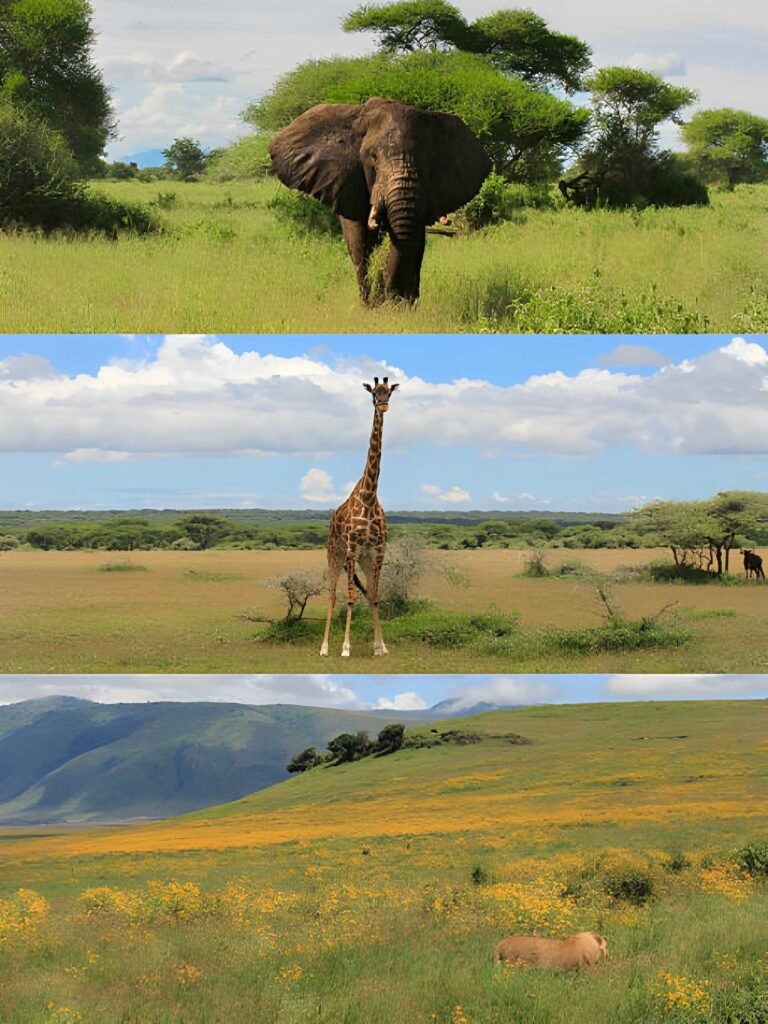
The Lake Manyara National Park Day Safari 2026-2027 is a rewarding one day wildlife experience in Northern Tanzania, known for its beautiful scenery, diverse habitats, rich birdlife, and varied wildlife.
Explore groundwater forest, acacia woodland, open floodplains, wetlands, and the shores of Lake Manyara beneath the dramatic Great Rift Valley escarpment.
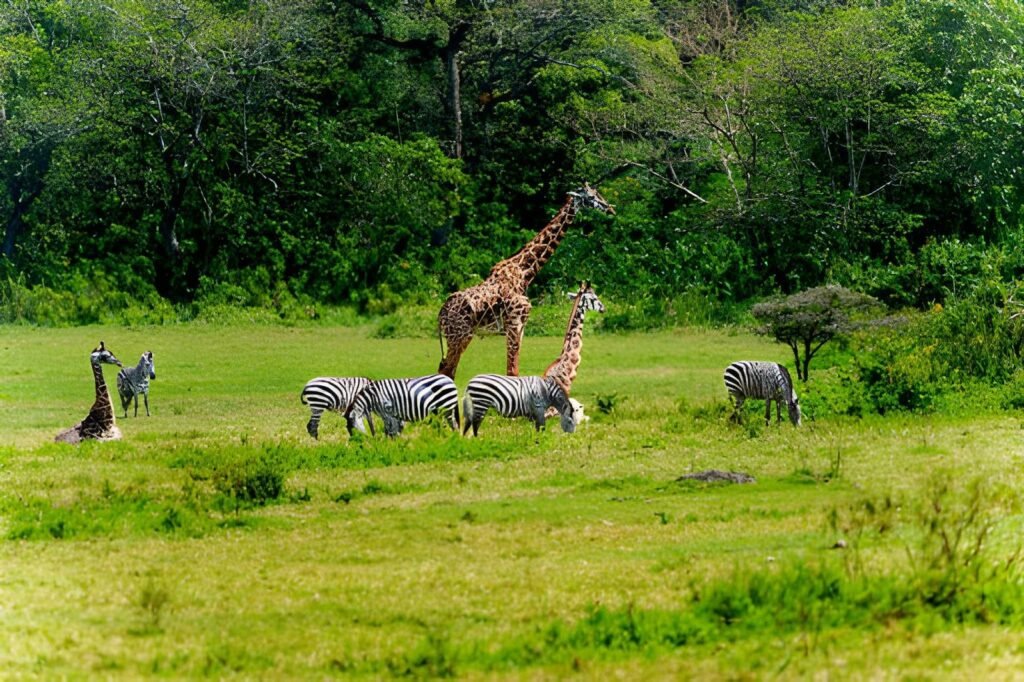
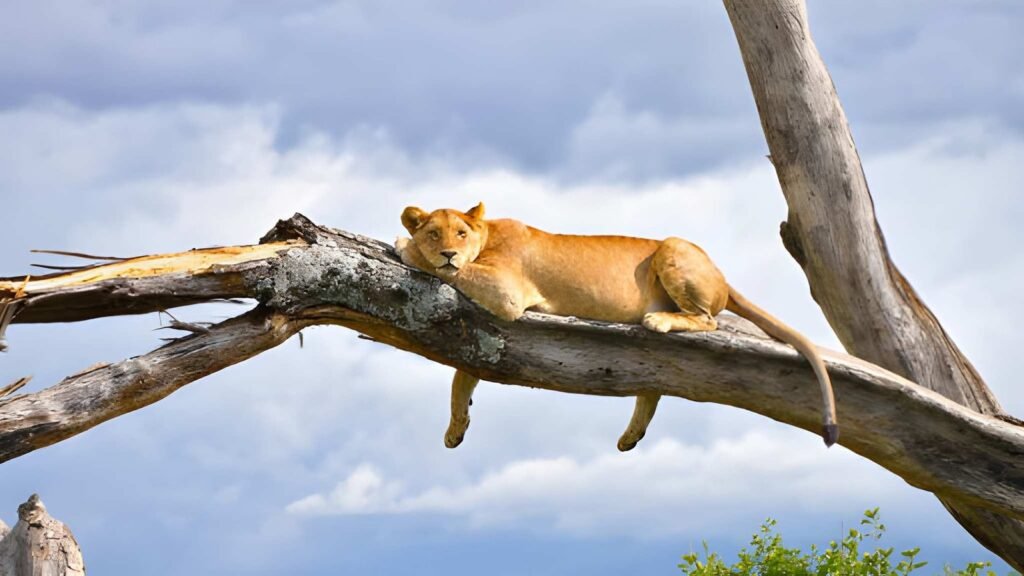
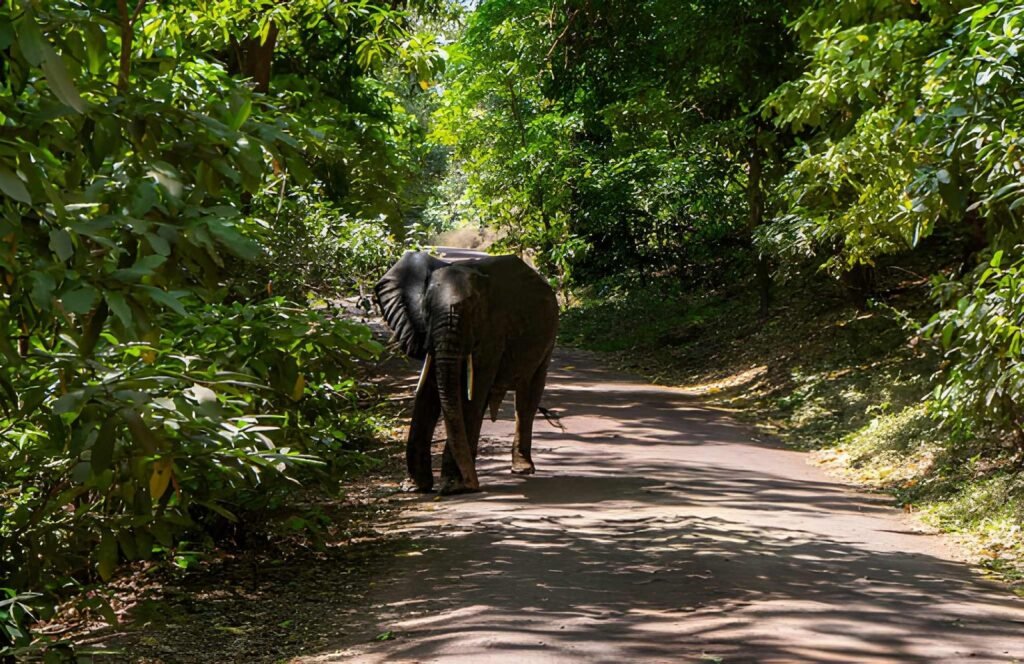
Wildlife may include elephants, giraffes, buffaloes, zebras, hippos, baboons, blue monkeys, antelopes, and numerous bird species. The park is also famous for the possibility of seeing its well-known tree-climbing lions.
This day safari is ideal for travelers staying in Arusha, Moshi, Karatu, or those looking for a short safari before or after a Kilimanjaro climb.
What Makes This Trip Special
Full day Lake Manyara National Park game drive
Explore the Great Rift Valley landscape
See elephants, giraffes, buffaloes, and zebras
Opportunity to see tree-climbing lions
Visit areas around Lake Manyara
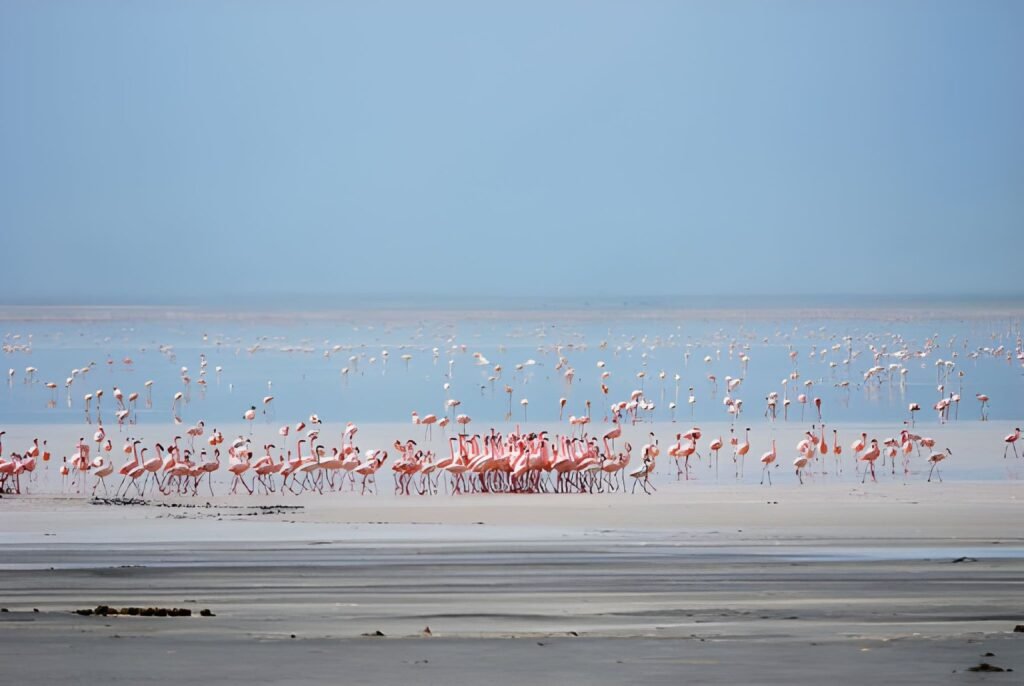
Look for hippos and waterbirds
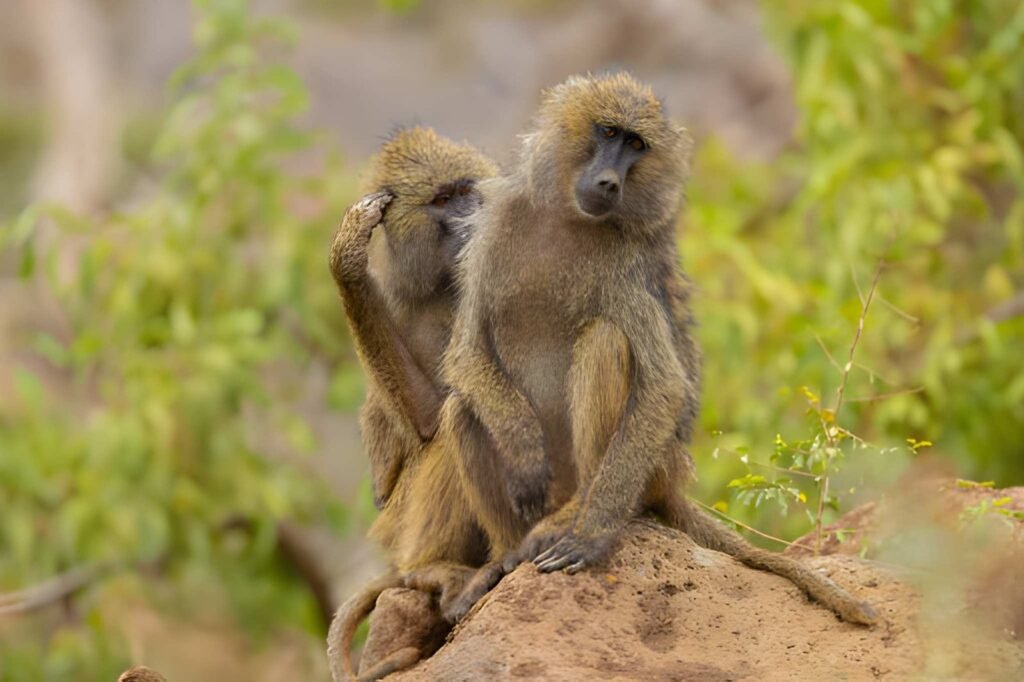
See baboons and blue monkeys
Excellent birdwatching opportunities
Explore groundwater forest and wetlands
Private 4x4 safari vehicle
Professional safari driver guide
Picnic lunch and drinking water included
A Look at the Journey
Itinerary
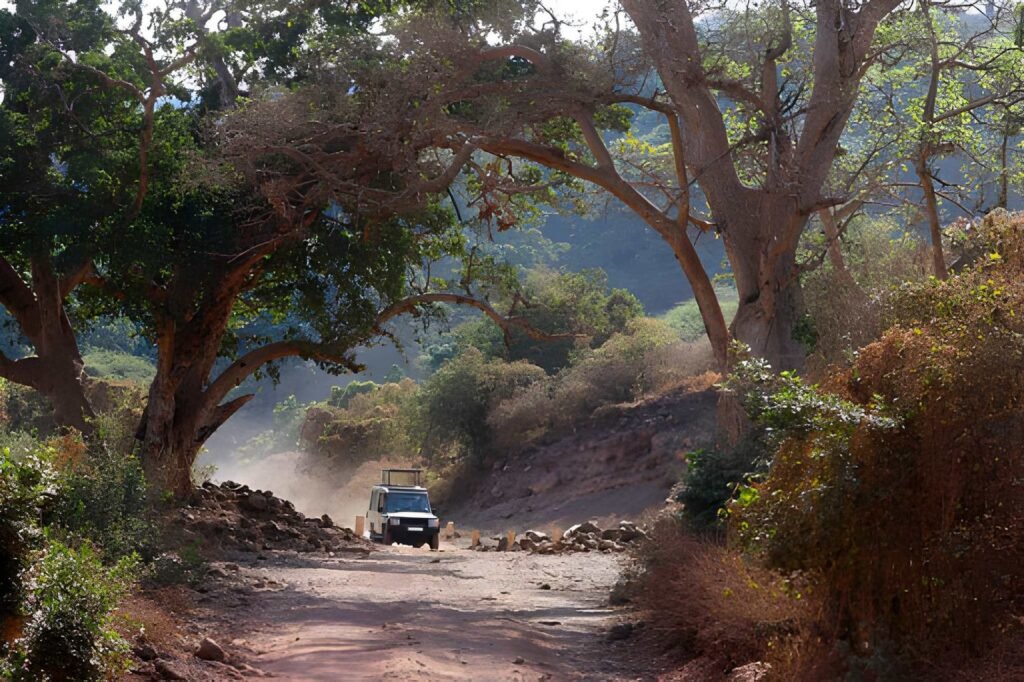
Your Lake Manyara National Park Day Safari begins in the morning with pickup from your hotel in Arusha or Moshi.
Drive through the scenic Northern Tanzania countryside toward Lake Manyara National Park, located beneath the Great Rift Valley escarpment.
After entering the park, begin your game drive through the lush groundwater forest where baboons, blue monkeys, bushbucks, and elephants may be seen.
Continue toward acacia woodland, open grasslands, wetlands, and areas near the lake while searching for giraffes, buffaloes, zebras, wildebeest, hippos, antelopes, warthogs, and other wildlife.
Lake Manyara is also known for its diverse birdlife and the possibility of seeing tree-climbing lions.
Enjoy a picnic lunch at a designated area before continuing your afternoon game drive.
Later, leave the park and return to Arusha or Moshi.
Included & Excluded
Included
- Private 4x4 safari vehicle
- Professional safari driver guide
- Lake Manyara National Park entrance fees
- Full day game drive
- Picnic lunch
- Drinking water
- Government taxes
- Pickup and drop-off in Arusha
- Moshi pickup where arranged
Excluded
- International and domestic flights
- Tanzania visa
- Travel insurance
- Alcoholic and soft drinks
- Tips for the safari guide
- Personal expenses
- Accommodation
- Optional activities
- Items of personal nature
Frequently Asked Questions
Lake Manyara is known for its diverse landscapes, elephants, primates, rich birdlife, hippos, Rift Valley scenery, and the possibility of seeing tree-climbing lions.
Tree-climbing lions are associated with Lake Manyara, but sightings depend on the animals' natural movements and cannot be guaranteed.
Yes. Elephants are regularly found in the park, particularly around forest and woodland areas.
Yes. Hippos may be seen around wetland and water areas within the park, depending on conditions and the route taken.
Yes. The combination of lake, wetlands, forest, woodland, and grassland makes Lake Manyara an excellent destination for birdwatching.
Flamingos may be present depending on water levels, food availability, season, and natural movements.
Yes. The park is well known for baboons and blue monkeys, particularly in the groundwater forest areas.
The journey is approximately 125 km and normally takes around 2–2.5 hours depending on traffic and road conditions.
Yes. The park offers wildlife, forest scenery, wetlands, lake views, the Rift Valley escarpment, and excellent bird photography opportunities.
Yes. The safari is suitable for families, provided children are comfortable spending several hours traveling and wildlife viewing in a safari vehicle.
Yes. A cultural experience in Mto wa Mbu can be added when your schedule allows, although this may extend the length of the day.
Yes. Lake Manyara combines easily with Tarangire National Park, Ngorongoro Crater, Lake Eyasi, and Serengeti National Park on longer Northern Tanzania safari itineraries.