About This Journey
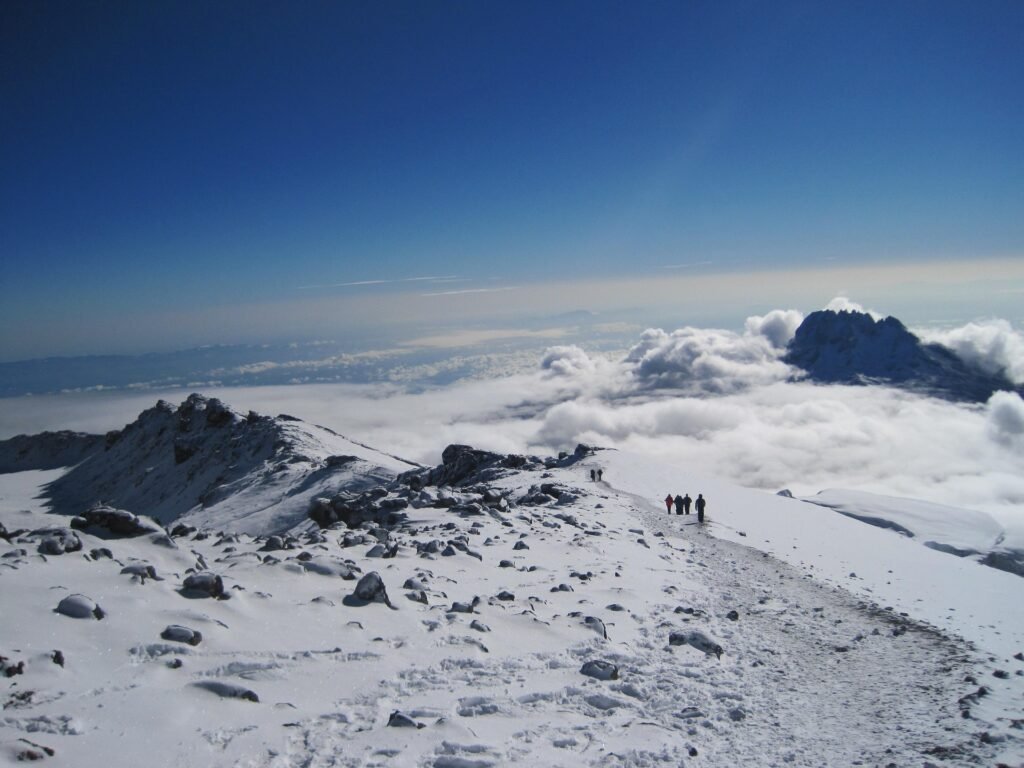
The 7 Day Umbwe Route Kilimanjaro Climb 2026-2027 is a challenging and scenic route to the summit of Mount Kilimanjaro. Umbwe approaches the mountain from the south and is known for its steep ascent, quiet early trails and dramatic views.
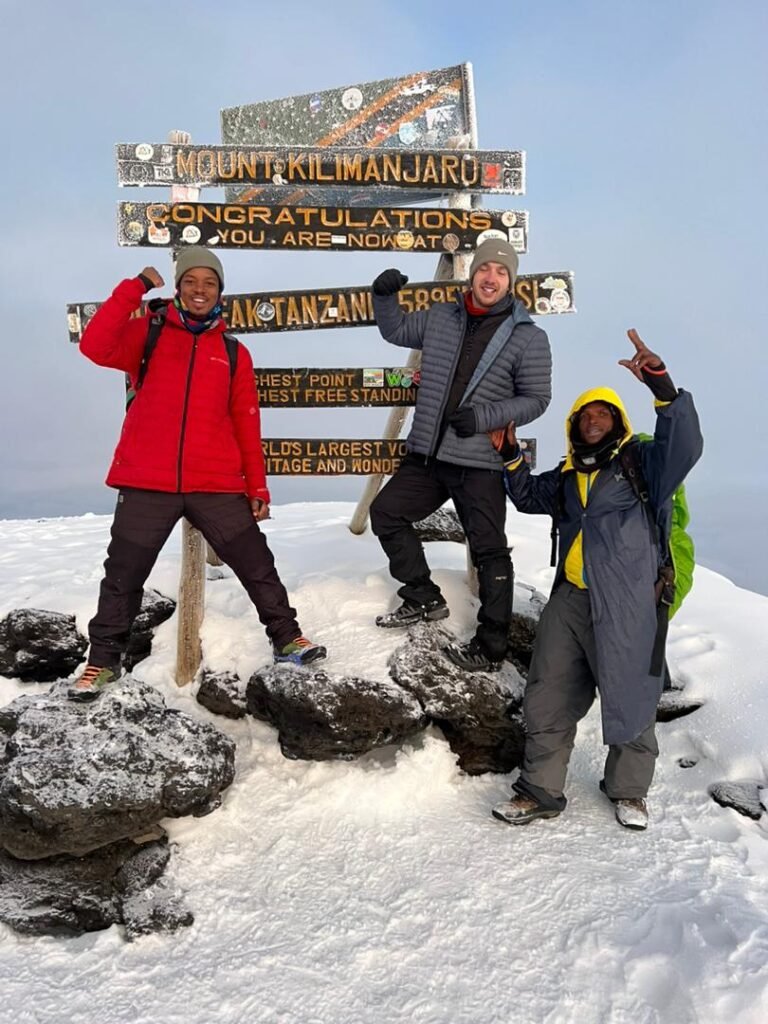
The route climbs rapidly through rainforest before joining the southern circuit near Barranco Camp and continuing through Karanga and Barafu toward Uhuru Peak at 5,895 meters, the highest point in Africa.
The 7 Day Umbwe Route offers more acclimatization time than the shorter six day version, making it a better option for climbers who want to experience the adventurous Umbwe trail with an additional day to adjust to altitude.
Professional guides, porters, mountain meals, drinking water, camping equipment and essential safety support are provided throughout the climb.
What Makes This Trip Special
Climb Mount Kilimanjaro via the Umbwe Route
Reach Uhuru Peak at 5,895 meters
Experience one of Kilimanjaro's steepest routes
Trek through dense tropical rainforest
Enjoy quieter trails during the early stages
Extra time for acclimatization
Camp beneath the dramatic Barranco Wall
Climb the famous Barranco Wall
Cross the scenic Karanga Valley
Experience sunrise near the summit
Professional Kilimanjaro guides and crew
Meals and drinking water included
Emergency oxygen and first aid equipment
Summit certificate after successful completion
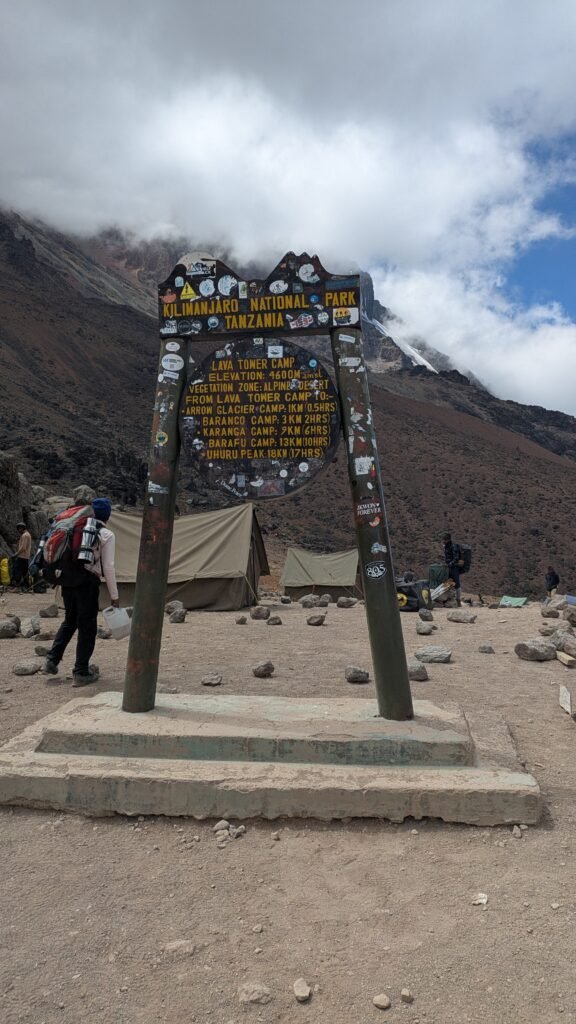
A Look at the Journey

Itinerary
Your 7 Day Umbwe Route Kilimanjaro Climb 2026-2027 begins at Umbwe Gate.
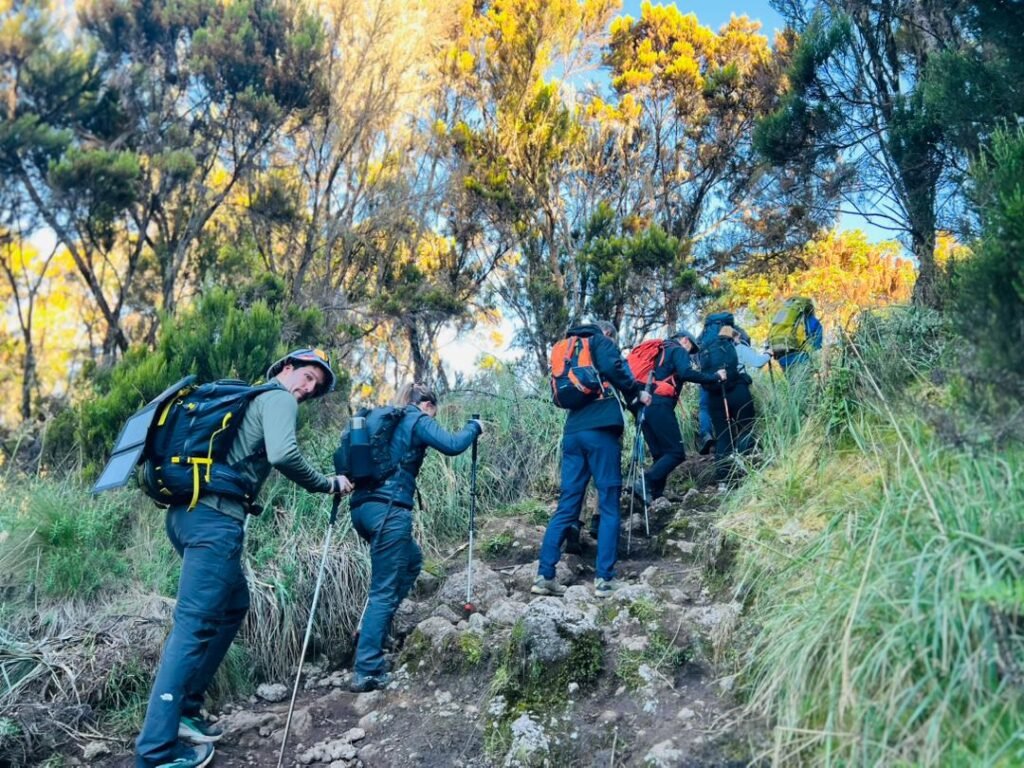
After registration and completion of park formalities, begin trekking through dense rainforest on the southern slopes of Mount Kilimanjaro.
The trail climbs steadily through thick vegetation and becomes increasingly steep as you gain elevation.
Arrive at Umbwe Cave Camp for dinner and your first night on the mountain.

After breakfast, continue climbing along the narrow Umbwe ridge.
The rainforest gradually gives way to open moorland and rugged mountain scenery.
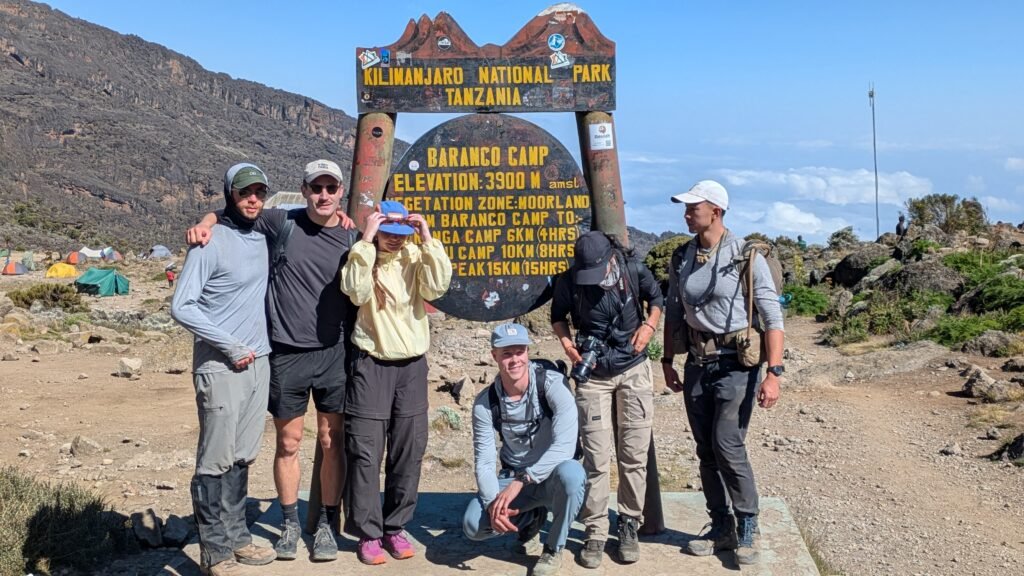
Continue toward the southern slopes below Kibo before reaching Barranco Camp at approximately 3,900 meters.
The camp offers impressive views of the Barranco Wall and surrounding mountain landscape.
Today is dedicated to acclimatization.
After breakfast, your guide may lead you on a short hike to a higher elevation before returning to Barranco Camp.
The acclimatization walk helps your body adjust to altitude while allowing enough time for rest.
Spend the afternoon relaxing and preparing for the following day's climb over the Barranco Wall.

After breakfast, begin by climbing the famous Barranco Wall.
The wall is steep and requires careful movement, but technical climbing equipment is not normally required.
After reaching the top, continue across a series of ridges and valleys with impressive views of Kibo.
Descend into the Karanga Valley before climbing toward Karanga Camp.
Arrive for lunch, rest, dinner and overnight.
After breakfast, continue gradually toward Barafu Camp.
Vegetation becomes increasingly limited as you enter the high altitude alpine desert.
Arrive at Barafu Camp at approximately 4,673 meters.
Spend the afternoon resting, organizing your summit equipment and preparing for the final ascent.
Have an early dinner and rest before starting the summit attempt around midnight.

Begin the summit climb around midnight.
Ascend slowly through volcanic terrain toward Stella Point at approximately 5,756 meters.
From Stella Point, continue along the crater rim toward Uhuru Peak at 5,895 meters, the highest point in Africa.
After reaching the summit and taking photographs, begin descending toward Barafu Camp.
Stop for a short rest and meal before continuing down to Mweka Camp for dinner and overnight.
After breakfast, begin your final descent through Kilimanjaro's rainforest.
Continue toward Mweka Gate and complete the final park formalities.
Successful climbers receive their Kilimanjaro summit certificate.
You will then transfer from Mweka Gate back to your hotel.
Included & Excluded
Included
- Kilimanjaro National Park fees
- Camping fees
- Rescue fees
- Professional mountain guides
- Assistant guides where required
- Mountain cook and porters
- Mountain tents
- Dining tent, tables and chairs
- Meals during the trek
- Drinking water
- Emergency oxygen
- Pulse oximeter
- First aid kit
- Hotel to mountain gate transfer
- Mountain gate to hotel transfer
- Government taxes
- Summit certificate
- Airport pickup and hotel accommodation where included
Excluded
- International and domestic flights
- Tanzania visa
- Travel insurance
- Personal trekking equipment
- Sleeping bag
- Hiking boots
- Trekking poles unless rented
- Personal medication
- Personal snacks and drinks
- Tips for guides, cooks and porters
- Additional hotel nights
- Optional activities
- Personal expenses
- Services not mentioned under inclusions
Frequently Asked Questions
Uhuru Peak is 5,895 meters above sea level.
The Umbwe Route starts at Umbwe Gate on the southern side of Mount Kilimanjaro.
The route descends through the Mweka Route and finishes at Mweka Gate.
Yes. Umbwe is one of Kilimanjaro's most challenging routes because of its steep early ascent.
The 7 day itinerary includes an additional acclimatization day, giving climbers more time to adjust to altitude before continuing toward Karanga and Barafu.
No. The Umbwe Route uses mountain tents.
The 7 Day Umbwe Route includes six mountain nights.
Yes. Climbers cross the famous Barranco Wall before continuing toward Karanga Camp.
Yes. Meals are included throughout the mountain trek.
Yes. Drinking water is provided throughout the climb.
Yes. A warm sleeping bag suitable for high altitude conditions is required.
Yes. Selected trekking and climbing equipment can normally be rented before departure.
Technical mountaineering experience is not normally required, but previous trekking experience and strong physical preparation are recommended.
The summit attempt normally begins from Barafu Camp around midnight.