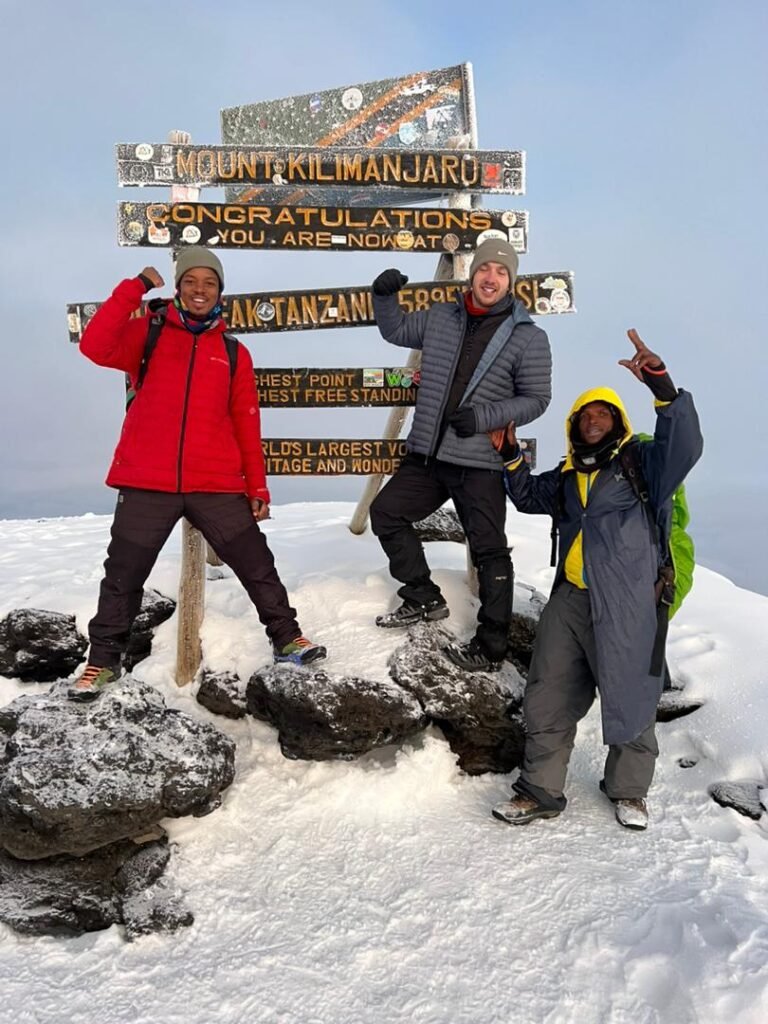
Private vs Group Kilimanjaro Climb is designed as a practical planning resource rather than a one-size-fits-all rule. Kilimanjaro planning is mostly about matching route length, acclimatization, fitness, equipment and arrival logistics to the traveler rather than chasing a single “best” answer.
Quick planning note: Choose the schedule that gives you a sensible pace, enough recovery time and a route style you understand before arrival.
What this means for your trip
For private vs group Kilimanjaro, look at total trekking days, camp or hut style, route profile, summit strategy and how much time is available before and after the climb. Longer is not automatically easier, but additional days can create more room for gradual altitude gain and recovery.
A good mountain plan also includes a pre-climb briefing, equipment check, clear guide communication and a willingness to adjust pace based on how the group is doing.
Timing, pace and daily experience
Daily trekking is usually managed at a deliberately steady pace. Terrain changes from forest to open moorland, alpine desert and high-altitude summit ground, so perceived effort can rise even when the distance looks modest on paper.
On the mountain, the day is structured around hiking, hydration, meals, rest and health monitoring. Summit day is normally the longest and most demanding stage, so the earlier days should support—not exhaust—the climber.
Weather, season and availability
Drier periods are often preferred, but Kilimanjaro has its own mountain weather and rain, wind or cold can occur in any month. Route crowd levels and personal travel dates may be as important as seasonal averages.
Conditions in Tanzania can vary by year and location. For wildlife, animal movement is natural and never guaranteed; for mountain travel, weather can change quickly with altitude. Treat seasonal guidance as a planning framework, not a promise of exact conditions.
Accommodation, transport and comfort
Camping routes use tents and shared camp infrastructure, while Marangu uses mountain huts. Hotel nights before and after the trek, private toilets, sleeping-bag rental and airport transfers should be checked separately in the package.
When comparing packages, check what is actually included: transfers, park or conservation fees, meals, accommodation level, internal flights if any, guide services and any optional activities. Two trips with the same number of days can differ substantially in logistics and comfort.
Who this option suits
This topic is useful for first-time high-altitude trekkers, returning hikers comparing routes and anyone trying to balance available vacation days with acclimatization.
Booking questions to ask
- What exact dates and route or destination sequence will be used?
- Which transfers, fees, meals and accommodation are included?
- Is the trip private or shared, and what group size applies?
- What should be booked or packed before arrival?
- Which parts of the itinerary can be customized?
Plan with African Treks and Travel
Share your dates, previous hiking experience, group size and preferred route. The final proposal should state the exact route, trekking days, hotel nights, transfer plan and inclusions.


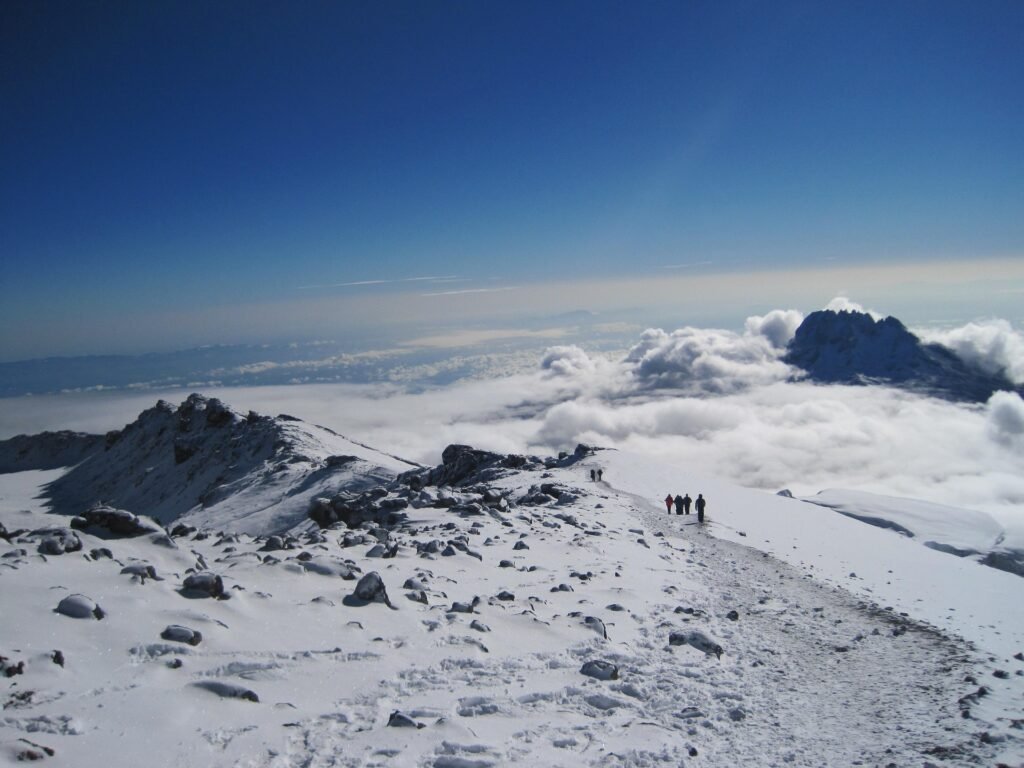 Hut Route