Local Tour Operator – African Treks Travel What Are Kilimanjaro...
Read MoreWhat Are Kilimanjaro Mountain Camps and Sleeping Tents Like?
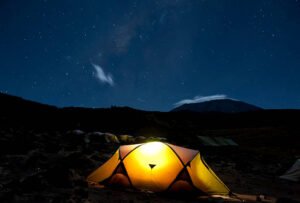
Kilimanjaro mountain camps are designated overnight accommodation areas where climbers rest, eat, sleep and prepare for the following day's trek. On most climbing routes, travellers sleep in weather-resistant expedition tents equipped with sleeping mattresses, while the mountain support crew organizes camping facilities, meals and daily expedition logistics.
Unlike ordinary recreational campsites, Kilimanjaro camps are located at different elevations, ranging from tropical rainforest environments to exposed alpine desert terrain.
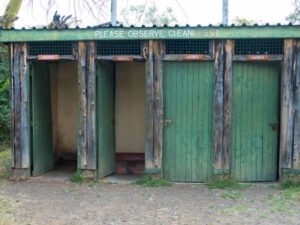
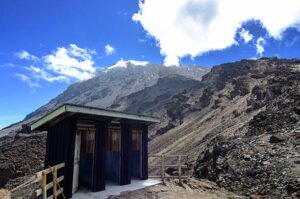
Mountain camps generally contain sleeping tents, dining areas, cooking equipment, basic public toilets and designated spaces for expedition support teams.
Sleeping tents are normally designed for mountain conditions and provide protection against rain, wind and cold weather when appropriately installed and maintained.
Travellers may sleep in shared twin tents, private individual tents or other agreed accommodation configurations depending on their selected climbing package.
The mountain crew usually transports and installs the sleeping tents before climbers arrive at the next overnight campsite.
A suitable sleeping mattress provides cushioning and insulation from the ground, while a warm personal sleeping bag helps manage cold nighttime temperatures.
Dining tents provide sheltered areas where climbers can enjoy meals, warm beverages and daily briefings with their mountain guides.
The Marangu Route is different from most Kilimanjaro routes because it provides established mountain hut accommodation instead of standard sleeping tents.
Although Kilimanjaro camping can be comfortable with appropriate equipment, mountain camps do not normally offer hotel-style bathrooms, electricity, conventional beds or central heating.
Private portable toilets, upgraded sleeping mattresses and individual sleeping tents may be requested according to the climbing company's equipment availability and package arrangements.
At African Trek & Travel, climbers can discuss sleeping tent preferences, camping equipment and mountain accommodation requirements before confirming their expedition.
Understanding the overnight camping environment helps first-time trekkers prepare suitable clothing, sleeping equipment and personal hygiene supplies.
This guide explains what Kilimanjaro mountain camps and sleeping tents are like, how camps are organized and what travellers can expect throughout their climbing adventure.
Request Mountain Camping Information
Explore Sleeping Tents
Compare Route Accommodation
Calculate Camping Requirements
Mountain Tents
Weather-resistant expedition accommodation
Private Options
Individual or shared sleeping arrangements
5–9 Days
Common Kilimanjaro trekking durations
Marangu Huts
Established mountain hut accommodation
Sleeping tent models, mattress specifications, individual occupancy, equipment upgrades and campsite facilities should be confirmed in your selected climbing quotation.
What Is a Typical Kilimanjaro Mountain Camp Like?
A supported Kilimanjaro mountain camp functions as a temporary overnight expedition base. The mountain crew organizes accommodation, cooking, dining and essential services so climbers can concentrate on trekking, recovery and acclimatization.
Overnight Accommodation
Sleeping Tents
Weather-resistant mountain tents provide sheltered sleeping space for individual climbers or agreed tent companions.
Mountain Meals
Dining Tents
Communal sheltered areas provide space for breakfast, dinner, refreshments and daily expedition briefings.
Professional Catering
Cooking Facilities
The mountain cooking team prepares daily meals using portable expedition kitchen equipment.
Personal Sanitation
Toilet Facilities
Established public toilets are generally available, with optional portable private toilets by arrangement.
Daily Hydration
Drinking Water Supply
The expedition crew organizes appropriate water collection, treatment and distribution.
Expedition Support
Mountain Crew Accommodation
Guides, cooks and porters require suitable dedicated sleeping facilities and responsible expedition support.
What Are the Sleeping Tents Like on Mount Kilimanjaro?
Sleeping tents on Kilimanjaro are generally expedition-style mountain tents designed to provide shelter in changing weather conditions. They are more suitable for high-altitude trekking than ordinary lightweight summer camping tents.
Typical Sleeping Tent Features
- Weather-resistant outer rainfly.
- Strong tent poles and supporting structure.
- Protected waterproof groundsheet.
- Ventilation openings.
- Zippered entrance.
- Space for sleeping mattresses.
- Personal equipment storage space.
- Secure attachment points and guy lines.
What Sleeping Tents Normally Do Not Include
- Conventional hotel beds.
- Central heating.
- Private electrical sockets.
- En-suite bathrooms.
- Running hot water.
- Unlimited luggage storage space.
- Hotel-style furniture.
- Permanent lighting installations.
Are Kilimanjaro Sleeping Tents Waterproof?
Suitable mountain tents are designed to resist rain and protect occupants from ordinary expedition weather. Their effectiveness depends on the equipment's quality, condition, installation and maintenance.
Climbers should also protect sleeping bags and essential clothing inside waterproof storage bags because condensation and moisture can still occur.
Ask your climbing company for actual tent photographs, model information, dimensions and occupancy arrangements before departure.
Different Types of Sleeping Tents Used on Kilimanjaro
Individual Accommodation
Private Single Sleeping Tent
A tent reserved for one climber, providing personal privacy and additional space for organizing mountain equipment.
Shared Accommodation
Twin Sleeping Tent
A tent shared by two climbers, normally with separate sleeping bags and mattresses.
Couples and Travel Companions
Private Two-Person Tent
A dedicated sleeping tent reserved for two travellers who wish to share accommodation together.
Additional Space
Larger Expedition Tent
A larger sleeping tent may provide additional equipment storage and sleeping space, subject to availability.
High-Altitude Protection
Four-Season Mountain Tent
A tent designed for demanding mountain conditions, with suitable structural strength and weather protection.
Optional Comfort Arrangement
Upgraded Sleeping Tent
Selected climbing packages may offer additional tent space or upgraded sleeping equipment by arrangement.
Can You Have Your Own Private Sleeping Tent on Kilimanjaro?
Yes. Individual sleeping tents can be arranged for climbers who prefer not to share their overnight accommodation with another traveller.
At African Trek & Travel, solo climbers can discuss private sleeping tent arrangements for both private expeditions and group joining departures.
Advantages of a Private Sleeping Tent
- Greater personal privacy.
- More control over sleeping arrangements.
- Independent evening and morning routines.
- Additional personal equipment space.
- No disturbance from a tent companion.
- Convenient for solo travellers.
What to Confirm Before Booking
- Whether a private tent is included.
- Whether a single supplement applies.
- Actual tent dimensions.
- Mattress and sleeping bag inclusions.
- Availability throughout the selected route.
- Any additional equipment charges.
Private Sleeping Tents vs Shared Sleeping Tents on Kilimanjaro
| Accommodation Feature | Private Sleeping Tent | Shared Sleeping Tent |
|---|---|---|
| Number of Occupants | One Climber | Usually Two Climbers |
| Personal Privacy | Greater Privacy | Shared Sleeping Space |
| Sleeping Mattress | Individual Mattress | Individual Mattress for Each Climber |
| Sleeping Bag | Individual Sleeping Bag | Separate Sleeping Bags |
| Equipment Storage | More Personal Space | Shared Available Space |
| Noise | No Tent Companion | Potential Noise From Tent Companion |
| Morning Routine | Independent | Coordinated With Tent Companion |
| Rental Supplement | May Apply | Often Standard Package Arrangement |
| Best Suited For | Solo and Privacy-Focused Travellers | Couples, Friends and Agreed Tent Companions |
| Weather Protection | Depends on Equipment Quality | Depends on Equipment Quality |
Can Couples Sleep Together in the Same Tent?
Yes. Couples travelling together can request a dedicated shared sleeping tent. Both climbers normally use their own sleeping mattresses and suitable sleeping bags.
Can Solo Travellers Avoid Sharing With Strangers?
Yes, when a private individual sleeping tent has been confirmed as part of their climbing arrangement. Request confirmation before completing the reservation.
What Is Inside a Kilimanjaro Sleeping Tent?
The interior of a typical sleeping tent is relatively simple and designed primarily for overnight rest, personal equipment organization and protection from mountain weather.
Sleeping Mattress
A foam or inflatable sleeping mat provides cushioning and insulation from the cold ground.
Personal Sleeping Bag
Each climber needs a suitable cold-weather sleeping bag, either personally owned or rented.
Personal Duffel Bag
Your overnight luggage may be stored inside the tent or in an appropriate protected storage area.
Personal Daypack
Your daily trekking backpack can be organized inside the tent according to available space.
Headlamp
A personal headlamp provides convenient lighting after sunset and during early morning preparation.
Personal Clothing and Accessories
Dry sleeping clothing, gloves, hats and other personal equipment should remain accessible overnight.
The amount of available interior space depends on the actual tent model and number of occupants.
Are Sleeping Mattresses Provided on Mount Kilimanjaro?
Sleeping mattresses are commonly included in professionally supported camping expeditions. Their thickness, insulation and construction vary between climbing companies and package categories.
| Mattress Type | Advantages | Considerations |
|---|---|---|
| Closed-Cell Foam Mattress | Reliable and Puncture Resistant | May Provide Limited Cushioning |
| Thick Foam Camping Mattress | Additional Sleeping Comfort | Can Be Bulky to Transport |
| Inflatable Sleeping Mattress | Comfortable and Compact When Packed | Requires Protection Against Punctures |
| Self-Inflating Sleeping Mat | Combination of Cushioning and Insulation | Insulation Depends on Model |
| Insulated Expedition Mattress | Greater Potential Ground Insulation | Confirm Actual R-Value |
| Combined Sleeping Mat System | Additional Cushioning and Insulation | Extra Weight and Equipment Space |
Why Is Mattress Insulation Important?
A sleeping bag alone does not provide complete protection against cold ground. An appropriate insulated mattress reduces heat loss underneath the body and forms an important part of the overall sleeping system.
Ask your operator about the mattress thickness, insulation rating and available upgrade options if you are particularly sensitive to cold or uncomfortable sleeping on firm surfaces.
Do You Need a Sleeping Bag for Kilimanjaro Mountain Camps?
Yes. A suitable cold-weather sleeping bag is essential for both camping routes and the mountain huts on the Marangu Route.
A sleeping bag with a comfort rating around -10°C to -15°C is a useful starting range for many standard Kilimanjaro expeditions. Colder sleepers or travellers expecting more demanding conditions may require a warmer sleeping system.
General Starting Point
Cold-Weather Sleeping Bag
-10°C ComfortA possible starting specification for standard expeditions, subject to expected conditions and personal cold tolerance.
Additional Warmth
Warmer Sleeping Bag
-15°C ComfortAn option to consider for colder sleepers and more demanding mountain conditions.
Specialized Conditions
Expedition Sleeping System
Individual ReviewSpecialized high-altitude camping arrangements may require additional insulation and professional equipment assessment.
Check the sleeping bag's comfort rating rather than relying on its extreme survival rating. Sleeping bag warmth also depends on mattress insulation, clothing, moisture and individual cold tolerance.
Are Sleeping Bags Included in Kilimanjaro Packages?
Sleeping bags are frequently treated as personal equipment rather than standard communal camping equipment. Travellers can bring their own suitable sleeping bag or request rental arrangements in Moshi.
Are Sleeping Tents Heated on Mount Kilimanjaro?
Standard Kilimanjaro sleeping tents are not heated. Climbers depend on appropriate sleeping bags, insulated mattresses, dry clothing and suitable tent shelter for nighttime warmth.
How to Stay Warm Inside Your Tent
- Use a suitable cold-weather sleeping bag.
- Prepare an adequately insulated mattress.
- Change into dry sleeping clothing.
- Wear a warm hat when appropriate.
- Keep damp trekking equipment separate.
- Eat suitable meals and maintain appropriate hydration.
Unsafe Tent Heating Practices to Avoid
- Using cooking stoves inside sleeping tents.
- Using charcoal burners inside enclosed tents.
- Leaving candles burning overnight.
- Using unapproved fuel-burning heaters.
- Blocking essential tent ventilation openings.
Fuel-burning equipment inside sleeping tents can create serious fire and carbon monoxide hazards. Never use camping stoves, charcoal or improvised heaters to warm your sleeping tent.
How Cold Are Kilimanjaro Mountain Camps at Night?
Nighttime temperatures generally become colder as climbers gain elevation. Actual conditions depend on the season, weather, wind, cloud cover and specific campsite location.
| Mountain Environment | Approximate Elevation | Nighttime Preparation |
|---|---|---|
| Lower Rainforest Camps | 2,500–3,000 m | Prepare for Cool, Damp Conditions |
| Heath and Moorland Camps | 3,000–3,800 m | Prepare for Cold Nights and Variable Wind |
| Higher Moorland Camps | 3,800–4,200 m | Freezing Temperatures Are Possible |
| Alpine Desert Camps | 4,200–4,700 m | Subzero Conditions and Strong Wind Are Possible |
| Summit Base Camps | Approximately 4,600–4,800 m | Prepare for Particularly Cold Conditions |
| Specialized Crater Camping | Approximately 5,700 m | Specialized Expedition and Medical Preparation |
Elevation ranges and environmental descriptions are approximate. They are not live weather forecasts or guaranteed overnight temperatures.
Popular Mountain Camps on Mount Kilimanjaro
Lemosho Route
Mti Mkubwa Camp
2,750 mAlso known as Big Tree Camp, this rainforest campsite provides an introduction to mountain camping.
Machame Route
Machame Camp
2,835 mA commonly used first overnight campsite on the Machame Route near the upper forest environment.
Western Kilimanjaro
Shira 1 Camp
3,500 mAn open campsite on the Shira Plateau used by selected western approach itineraries.
Shira Plateau
Shira 2 Camp
3,850 mA higher plateau campsite with expansive mountain scenery and colder nighttime conditions.
Southern Circuit
Barranco Camp
3,960 mA scenic mountain campsite beneath the Barranco Wall, commonly used on Machame and Lemosho itineraries.
Southern Circuit
Karanga Camp
4,000 mAn important overnight stopping point on longer southern circuit itineraries before moving toward high camp.
Summit Base Camp
Barafu Camp
4,670 mAn exposed high-altitude campsite used for summit preparation on several popular climbing routes.
Northern Approach
School Hut Area
4,750 mA high-altitude stopping location used by selected northern circuit and summit approach itineraries.
Mountain Descent
Mweka Camp
3,100 mA commonly used overnight campsite during the descent following the summit attempt.
Camp elevations are rounded estimates. Exact figures can differ between maps, GPS measurements and published itineraries.
How Do Kilimanjaro Camps Change as You Gain Altitude?
Lower Mountain
Rainforest Camps
Lower camps are surrounded by forest vegetation and may experience humid conditions, rain and damp ground.
- Moisture protection is important.
- Temperatures are generally milder.
- Tree cover may provide additional shelter.
- Keep sleeping equipment protected from rain.
Middle Mountain
Moorland Camps
Moorland camps offer increasingly open scenery, cooler nighttime conditions and more exposure to wind.
- Warm evening clothing becomes important.
- Weather conditions can change rapidly.
- Sleeping bag insulation is increasingly valuable.
- Keep equipment organized and dry.
Upper Mountain
Alpine Desert Camps
Upper mountain camps are commonly located on exposed, rocky terrain with limited vegetation.
- Freezing temperatures are possible.
- Strong winds may affect camps.
- Ground insulation becomes especially important.
- Water availability can be limited.
Summit Preparation
High-Altitude Base Camps
High camps provide temporary accommodation before the summit attempt and require careful cold-weather preparation.
- Early evening rest is common.
- Summit clothing should be prepared in advance.
- Sleep may be interrupted by altitude.
- Guide instructions remain essential.
Mountain Camps and Sleeping Accommodation by Kilimanjaro Route
| Climbing Route | Duration | Mountain Nights | Accommodation | Private Tent Option |
|---|---|---|---|---|
| Marangu Route | 5 Days | 4 Nights | Mountain Huts | Not Standard |
| Marangu Route | 6 Days | 5 Nights | Mountain Huts | Not Standard |
| Machame Route | 6 Days | 5 Nights | Sleeping Tents | By Arrangement |
| Machame Route | 7 Days | 6 Nights | Sleeping Tents | By Arrangement |
| Lemosho Route | 7 Days | 6 Nights | Sleeping Tents | By Arrangement |
| Lemosho Route | 8 Days | 7 Nights | Sleeping Tents | By Arrangement |
| Rongai Route | 6 Days | 5 Nights | Sleeping Tents | By Arrangement |
| Rongai Route | 7 Days | 6 Nights | Sleeping Tents | By Arrangement |
| Umbwe Route | 6 Days | 5 Nights | Sleeping Tents | By Arrangement |
| Umbwe Route | 7 Days | 6 Nights | Sleeping Tents | By Arrangement |
| Northern Circuit | 8 Days | 7 Nights | Sleeping Tents | By Arrangement |
| Northern Circuit | 9 Days | 8 Nights | Sleeping Tents | By Arrangement |
Mountain night calculations assume that the first trekking day begins at the park entry point and the final trekking day ends outside the national park.
What Are the Mountain Huts Like on the Marangu Route?
The Marangu Route is the only standard Kilimanjaro climbing route that uses established mountain huts as its primary overnight accommodation.
The huts generally provide communal sleeping accommodation, bunk beds or sleeping platforms, mattresses and shared sanitation facilities.
Mandara Hut
2,700 mLocated within the lower mountain environment and commonly used for the first overnight stay.
Horombo Hut
3,720 mA larger mountain hut complex used during the ascent, descent and additional acclimatization day on the six-day itinerary.
Kibo Hut
4,700 mA basic high-altitude hut complex used for rest and preparation before the summit attempt.
Are Marangu Mountain Huts Private?
Generally, no. Hut sleeping spaces are commonly shared with other climbers. Exclusive rooms and specific bed allocations should not be assumed.
Do Marangu Huts Provide Blankets and Heating?
Do not rely on blankets or heating being available. Bring an appropriate sleeping bag and warm sleeping clothing even when choosing hut accommodation.
Kilimanjaro Mountain Huts vs Sleeping Tents
| Accommodation Feature | Mountain Huts | Sleeping Tents |
|---|---|---|
| Primary Route | Marangu | Most Other Standard Routes |
| Structure | Permanent Mountain Buildings | Temporary Expedition Tents |
| Sleeping Arrangement | Shared Dormitory-Style Accommodation | Private or Shared Tents |
| Sleeping Surface | Bunks or Sleeping Platforms | Camping Mattress |
| Personal Sleeping Bag | Required | Required |
| Heating | Not Reliably Available | Not Normally Available |
| Privacy | Usually Limited | Individual Tent Options |
| Bathroom Facilities | Shared Hut Facilities | Public or Optional Private Toilets |
| Dining Arrangement | Communal Dining Areas | Mountain Dining Tents |
| Accommodation Flexibility | Depends on Hut Capacity | Depends on Equipment and Campsite Space |
| Daily Camp Setup | Not Required for Sleeping Structures | Organized by Mountain Crew |
The best climbing route should be selected according to your acclimatization needs, available time and trekking preferences rather than accommodation type alone.
8-Day Lemosho Route Mountain Camps and Sleeping Arrangements
DAY 1
Mti Mkubwa Camp — Approximately 2,750 m
Your first overnight accommodation is in a rainforest campsite. The support crew organizes your sleeping tent, mattress and evening mountain meal.
Accommodation: Expedition sleeping tent.
Preparation: Protect your clothing and sleeping bag against moisture.
DAY 2
Shira 1 Camp — Approximately 3,500 m
The expedition moves from the rainforest toward the open Shira Plateau. Enjoy your first evening in a more exposed mountain environment.
Accommodation: Expedition sleeping tent.
Preparation: Prepare warmer evening clothing and secure loose equipment.
DAY 3
Shira 2 Camp — Approximately 3,850 m
Shira 2 provides an overnight base for continued acclimatization and rest across the plateau.
Accommodation: Expedition sleeping tent.
Preparation: Use appropriate sleeping insulation and maintain a dry sleeping environment.
DAY 4
Barranco Camp — Approximately 3,960 m
After trekking through the Lava Tower area, climbers descend to Barranco Camp for overnight recovery.
Accommodation: Expedition sleeping tent.
Preparation: Rest, enjoy your evening meal and report any altitude-related symptoms.
DAY 5
Karanga Camp — Approximately 4,000 m
Karanga provides an additional overnight stopping point before the ascent to summit base camp.
Accommodation: Expedition sleeping tent.
Preparation: Review your sleeping system, summit equipment and acclimatization progress.
DAY 6
Barafu Camp — Approximately 4,670 m
Barafu is the high-altitude preparation base for the summit attempt. Climbers normally enjoy an early meal and rest before the scheduled departure.
Accommodation: Expedition sleeping tent.
Preparation: Organize summit clothing, headlamp, insulated water bottles and essential equipment.
DAY 7
Uhuru Peak and Descent to Mweka Camp
After the summit attempt, climbers descend toward their final overnight campsite according to the confirmed itinerary.
Accommodation: Expedition sleeping tent at Mweka Camp or another scheduled descent camp.
Preparation: Change into dry clothing, eat suitable meals and rest after the extended trekking day.
DAY 8
Mweka Camp to Mweka Gate and Moshi
Complete the final mountain descent, collect your summit certificate if eligible and return to your hotel accommodation.
Accommodation: Hotel in Moshi according to the booked package.
This eight-day Lemosho example follows the Shira 2 and Karanga itinerary. Actual overnight camps may be adjusted according to the confirmed route, safety considerations and national park requirements.
Who Sets Up the Sleeping Tents on Kilimanjaro?
During a fully supported Kilimanjaro expedition, the mountain support crew is normally responsible for transporting, installing and dismantling camping equipment.
STEP 1
Morning Camp Preparation
Climbers organize their personal equipment and prepare for the day's trekking stage.
STEP 2
Dismantling the Sleeping Tents
The mountain crew packs tents, mattresses and communal expedition equipment.
STEP 3
Equipment Transportation
Assigned porters transport the equipment to the next designated campsite.
STEP 4
Selecting Suitable Campsite Positions
The crew identifies appropriate locations according to terrain, weather and campsite regulations.
STEP 5
Installing Sleeping and Dining Tents
The expedition support team organizes the sleeping accommodation, meal preparation and communal dining facilities.
STEP 6
Welcoming Climbers to Camp
Upon arrival, travellers receive their assigned sleeping accommodation and organize their personal belongings.
STEP 7
Evening Equipment Inspection
Any damaged equipment, moisture concerns or sleeping arrangement problems should be reported to the mountain guide.
What Are the Dining Tents Like on Kilimanjaro?
Dining tents are communal expedition shelters where climbers enjoy meals, refreshments and discussions with their mountain guides.
Dining Tables
Portable tables provide a designated space for serving mountain meals.
Camping Chairs
Portable seating may be provided according to the expedition's camping equipment arrangements.
Weather Shelter
Dining tents provide protection from ordinary wind, rain and cold conditions during meals.
Daily Briefings
Guides may use the dining area to explain the following day's trekking plan.
Warm Meals and Beverages
The cooking team prepares meals and suitable refreshments according to the mountain menu.
Social Interaction
The dining area provides a comfortable meeting space for participating climbers.
Do Climbers Eat Inside Their Sleeping Tents?
Normally, meals are served in designated dining areas. Keeping food away from sleeping tents helps maintain cleanliness and responsible campsite management.
Are Toilets and Showers Available at Kilimanjaro Mountain Camps?
Public Mountain Toilets
Basic shared toilet facilities are generally available at established overnight camps. Their condition and cleanliness vary.
Private Portable Toilet Tents
Dedicated portable toilet arrangements may be requested as optional camping comfort services.
Personal Washing Water
Small quantities of washing water may be available according to the expedition's arrangements.
Mountain Shower Facilities
Conventional daily hot showers are not normally available during standard Kilimanjaro expeditions.
Travellers should bring personal toilet paper, soap, hand sanitizer, a compact towel and suitable hygiene products.
Is Drinking Water Available at Kilimanjaro Mountain Camps?
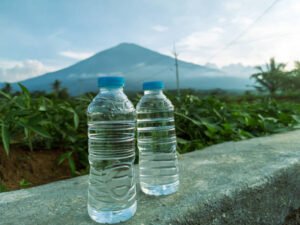
Supported expeditions generally organize drinking water collection, transportation, treatment and distribution throughout the mountain itinerary.
Climbers refill their reusable bottles or hydration reservoirs from designated treated drinking water supplies.
- Confirm the operator's actual water treatment procedures.
- Bring suitable reusable water containers.
- Prepare approximately two to three litres of carrying capacity as a starting arrangement.
- Confirm the required water capacity for each trekking stage.
- Bring an independent insulated bottle for summit night.
Never assume that untreated mountain stream water is suitable for drinking. Follow the confirmed water treatment arrangements and your guide's instructions.
Do Kilimanjaro Sleeping Tents Have Electricity or Charging Facilities?
Standard sleeping tents do not normally provide electrical sockets. Travellers should prepare independent charging arrangements for essential electronic devices.
Power Banks
Bring a suitable power bank with sufficient capacity for your expected phone and electronic device usage.
Spare Camera Batteries
Prepare compatible spare batteries and protect them from prolonged exposure to freezing temperatures.
Headlamp Batteries
Carry reliable replacement batteries or an appropriate rechargeable power arrangement for your headlamp.
Is Wi-Fi Available at Kilimanjaro Camps?
Reliable internet access should not be expected throughout the expedition. Mobile network coverage varies between mountain locations, operators and weather conditions.
Download important travel documents and other essential information before entering the national park.
Where Do You Keep Your Luggage Inside a Kilimanjaro Sleeping Tent?
Personal expedition luggage is generally transported in a soft porter duffel bag. Upon arriving at camp, travellers can organize their overnight belongings within the available tent storage space.
Equipment to Keep Inside the Tent
- Sleeping bag.
- Personal mattress.
- Dry sleeping clothing.
- Essential medication.
- Headlamp and personal electronics.
- Personal hygiene supplies.
- Protected overnight luggage.
Equipment Storage Considerations
- Keep wet clothing away from sleeping bags.
- Protect electronics against moisture.
- Avoid blocking the tent entrance.
- Keep essential equipment accessible.
- Store boots according to weather conditions.
- Do not overload limited tent space.
African Trek & Travel normally provides a personal porter luggage allowance of 15 kilograms per climber. Confirm your selected package allowance and whether sleeping equipment is counted within it.
What Happens if It Rains While You Are Sleeping on Kilimanjaro?
Rain is possible at different elevations throughout the year, especially in the rainforest and lower mountain environments.
Properly maintained expedition tents help protect climbers from rain, but travellers should also prepare suitable internal waterproof storage arrangements.
Mountain Crew Responsibilities
- Install tents on appropriate ground.
- Secure rainflies and guy lines.
- Check structural stability.
- Inspect damaged equipment.
- Respond to reported water leakage.
Climber Responsibilities
- Protect sleeping bags inside dry bags.
- Keep spare clothing waterproofed.
- Avoid placing wet items against sleeping equipment.
- Maintain appropriate tent ventilation.
- Report leaks promptly to the guide.
Why Does Condensation Form Inside Kilimanjaro Sleeping Tents?
Condensation can develop when moisture from breathing, wet clothing and surrounding air comes into contact with colder tent surfaces.
This is a common camping issue and does not necessarily indicate that the tent is leaking.
Maintain Ventilation
Use the tent's appropriate ventilation openings according to the weather and equipment design.
Separate Wet Equipment
Avoid storing unnecessarily wet clothing directly against sleeping bags or dry clothing.
Dry Equipment When Possible
Take advantage of suitable dry weather to air sleeping equipment under the mountain team's guidance.
Is It Difficult to Sleep at High-Altitude Kilimanjaro Camps?
Some climbers experience interrupted sleep, vivid dreams, frequent waking or changes in breathing patterns as they ascend to higher elevations.
Cold temperatures, unfamiliar camping conditions, wind and individual altitude responses may also affect sleep quality.
Ways to Improve Mountain Sleeping Comfort
- Choose a suitable acclimatization itinerary.
- Use appropriate sleeping insulation.
- Keep your sleeping clothing dry.
- Maintain a comfortable evening routine.
- Avoid excessive caffeine late in the day.
- Report uncomfortable symptoms to your guide.
Important Sleeping Safety Considerations
- Do not ignore persistent headaches.
- Report breathlessness at rest.
- Discuss unusual nausea or dizziness.
- Avoid self-medicating with sedatives.
- Follow professional medical advice.
- Do not continue ascending with altitude illness.
Difficulty sleeping alone does not establish altitude sickness. However, worsening headache, vomiting, confusion, poor coordination or breathlessness at rest requires prompt assessment. Serious altitude illness may require immediate descent and emergency medical care.
What Is Sleeping at Barafu Camp Before Summit Night Like?
Barafu Camp is a high-altitude campsite used as a summit preparation base on the Machame, Lemosho and several other climbing itineraries.
Climbers commonly arrive during the day, eat an early evening meal, prepare summit equipment and attempt to rest before beginning the summit trek.
Arrive at High Camp
Organize your sleeping tent, personal belongings and required summit equipment.
Complete the Summit Briefing
Your guide explains the planned departure, clothing requirements, hydration arrangements and expected trekking conditions.
Eat an Early Evening Meal
Enjoy a suitable meal and prepare accessible personal trekking snacks.
Rest Inside Your Sleeping Tent
Use suitable sleeping insulation and avoid unnecessary activity.
Prepare for Summit Departure
Dress in appropriate layers, check your equipment and follow your guide's instructions.
The exact summit departure schedule depends on the route, weather, group requirements and professional guide assessment.
Can You Sleep at Crater Camp Near the Kilimanjaro Summit?
Crater camping is a specialized expedition arrangement at very high altitude near Kilimanjaro's summit area. It is not part of most standard climbing itineraries.
Sleeping at approximately 5,700 metres involves substantially greater altitude exposure than sleeping at ordinary summit base camps.
Crater camping requires careful acclimatization planning, individual medical considerations, appropriate expedition equipment and specialist operator arrangements. It should not be selected merely as a camping comfort upgrade or an additional sightseeing activity.
Discuss the risks, permit requirements, emergency arrangements and equipment specifications individually before considering a crater camping expedition.
Sleeping Tents on Group Joining and Private Kilimanjaro Climbs
Shared Expedition Experience
Group Joining Kilimanjaro Climbs
- Organized mountain camping facilities.
- Communal dining arrangements.
- Individual or shared sleeping tents by agreement.
- Professional mountain guide support.
- Optional shared portable toilet arrangements.
- Suitable for solo travellers and couples.
Personalized Expedition Experience
Private Kilimanjaro Climbs
- Personalized sleeping tent configuration.
- Dedicated private expedition arrangements.
- Greater flexibility for comfort requests.
- Individual equipment requirements.
- Optional camping upgrades by arrangement.
- Suitable for couples, families and private groups.
Joining a group does not automatically mean sharing a sleeping tent. Confirm your individual sleeping accommodation separately from the group climbing arrangement.
Are Kilimanjaro Sleeping Tents Suitable Throughout the Year?
| Climbing Month | General Seasonal Conditions | Camping Preparation |
|---|---|---|
| January | Often Relatively Dry | Cold-Weather Sleeping Equipment |
| February | Often Relatively Dry | Warm Sleeping Bag and Mattress |
| March | Increasing Rain Possibility | Waterproof Equipment Protection |
| April | Long Rainy Season | Additional Moisture Management |
| May | Rainy Conditions Possible | Reliable Rainfly and Dry Bags |
| June | Generally Drier and Cooler | Cold-Weather Sleeping System |
| July | Generally Dry and Cool | Warm Sleeping Bag and Ground Insulation |
| August | Popular Drier Climbing Period | Advance Equipment Reservation |
| September | Generally Drier Conditions | Cold and Wind Protection |
| October | Seasonal Transition | Flexible Weather Preparation |
| November | Short Rainy Season | Rain Protection and Dry Storage |
| December | Variable Seasonal Conditions | Warm and Waterproof Camping Equipment |
Seasonal descriptions represent general patterns rather than confirmed forecasts. Rain, wind and freezing temperatures are possible outside the expected seasons.
Essential Personal Sleeping Equipment for Kilimanjaro
| Sleeping Equipment | Purpose | Preparation Priority |
|---|---|---|
| Cold-Weather Sleeping Bag | Nighttime Warmth | Essential |
| Insulated Sleeping Mattress | Ground Insulation and Comfort | Essential |
| Sleeping Bag Liner | Additional Comfort and Cleanliness | Optional |
| Thermal Base Layers | Dry Sleeping Clothing | Essential |
| Warm Sleeping Socks | Foot Warmth | Recommended |
| Warm Hat | Head Insulation | Recommended |
| Inflatable Camping Pillow | Additional Sleeping Comfort | Optional |
| Headlamp | Personal Nighttime Lighting | Essential |
| Spare Headlamp Batteries | Backup Lighting | Recommended |
| Waterproof Dry Bags | Protection of Sleeping Equipment | Essential |
| Personal Hygiene Pouch | Organized Nighttime Supplies | Recommended |
| Camp Footwear | Safe Movement Around Camp | Recommended |
| Earplugs | Reducing Ordinary Camp Noise | Optional |
| Personal Medication | Individual Medical Requirements | When Applicable |
| Reusable Water Bottle | Accessible Drinking Water | Essential |
What Camping Equipment Is Included in a Kilimanjaro Climbing Package?
Typically Included
Communal Expedition Equipment
- Sleeping tents on camping routes.
- Standard sleeping mattresses.
- Mountain dining shelters.
- Cooking equipment.
- Suitable dining tables and seating.
- Meal preparation equipment.
- Camping equipment transportation.
- Daily camp setup and dismantling.
Personal or Optional Equipment
Items to Bring or Request Separately
- Personal sleeping bag.
- Sleeping bag liner.
- Camping pillow.
- Private sleeping tent supplement, if applicable.
- Upgraded mattress, if applicable.
- Optional private portable toilet.
- Personal electronic charging equipment.
- Personal toiletries and clothing.
Review your written climbing quotation because equipment inclusions can differ between operators and package categories.
How Much Do Kilimanjaro Sleeping Tent and Camping Upgrades Cost?
Standard mountain accommodation is generally included in fully supported Kilimanjaro climbing packages. Optional equipment rental and accommodation upgrades may involve additional charges.
| Camping Equipment or Service | Typical Pricing Arrangement | Cost Consideration |
|---|---|---|
| Standard Shared Sleeping Tent | Usually Included | Confirm Occupancy |
| Private Individual Sleeping Tent | Included or Separately Quoted | Confirm Any Single Supplement |
| Standard Sleeping Mattress | Usually Included | Confirm Mattress Type |
| Upgraded Insulated Mattress | Optional Rental or Upgrade | Request Confirmed Price |
| Cold-Weather Sleeping Bag | Personal Equipment or Rental | Confirm Rental Rate |
| Sleeping Bag Liner | Personal Equipment | Purchase or Rental Where Available |
| Private Portable Toilet | Optional Group Service | Confirm Complete Expedition Rate |
| Larger Expedition Tent | Individual Quotation | Subject to Equipment Availability |
Illustrative Camping Upgrade Budget
| Example Equipment Upgrade | Illustrative Cost Per Climber |
|---|---|
| Sleeping Bag Rental | $35 |
| Upgraded Sleeping Mattress | $25 |
| Private Sleeping Tent Supplement | $0 If Included in the Package |
| Personal Camping Accessories | $20 |
| Example Additional Budget | $80 |
These amounts are hypothetical planning examples. They are not confirmed African Trek & Travel rental prices or verified current retail quotations.
Are Kilimanjaro Mountain Camps and Sleeping Tents Safe?
Established mountain camps provide designated overnight locations for supported expeditions. Safe camping requires suitable equipment, responsible campsite management and professional mountain supervision.
Professional Camp Setup
Sleeping tents should be installed securely according to the equipment design and prevailing conditions.
Appropriate Weather Protection
Suitable expedition tents and sleeping systems help protect climbers from changing weather.
Daily Health Monitoring
Professional guide teams should monitor climber wellbeing and respond appropriately to concerning symptoms.
Responsible Equipment Use
Keep open flames and cooking equipment away from sleeping tents.
Nighttime Camp Safety
Use a headlamp and suitable footwear when moving around camps after dark.
Emergency Communication
Inform your mountain guide immediately about damaged equipment, illness or unsafe sleeping conditions.
What Happens If Your Sleeping Tent Is Damaged?
Report the problem to the mountain team immediately. The crew should assess the equipment and organize an appropriate repair, replacement or alternative accommodation arrangement before it is used again.
Responsible Camping and Environmental Protection on Kilimanjaro
Use Designated Campsites
Sleep only in approved mountain accommodation areas according to your expedition arrangements.
Manage Personal Waste
Collect personal rubbish and used hygiene products for appropriate disposal.
Protect Mountain Water Sources
Avoid contaminating natural streams and designated water collection areas.
Respect Other Climbers
Keep unnecessary noise to a minimum, particularly during evening resting periods.
Protect Natural Vegetation
Avoid damaging vegetation or unnecessarily disturbing the designated campsite surroundings.
Support Responsible Porter Welfare
Camping equipment must be transported using appropriate staffing, load limits and responsible working conditions.
Common Sleeping and Camping Mistakes on Mount Kilimanjaro
1. Bringing an Unsuitable Sleeping Bag
Choose an appropriate comfort rating for expected mountain temperatures and individual cold tolerance.
2. Ignoring Sleeping Mattress Insulation
Ground insulation is an important part of an effective cold-weather sleeping system.
3. Assuming Every Tent Is Private
Confirm individual or shared sleeping arrangements before completing your booking.
4. Expecting Heated Mountain Accommodation
Standard sleeping tents and huts should not be treated as heated hotel rooms.
5. Allowing Sleeping Equipment to Become Wet
Keep sleeping bags and dry clothing protected inside suitable waterproof storage bags.
6. Blocking All Tent Ventilation
Maintain appropriate ventilation according to the tent design and weather conditions.
7. Forgetting Personal Lighting
Keep a reliable headlamp accessible throughout the night.
8. Carrying Unnecessary Camping Equipment
Confirm equipment provided by your climbing company before purchasing or packing additional items.
9. Ignoring Altitude-Related Symptoms
Report concerning symptoms rather than assuming poor sleep or fatigue is always normal.
10. Waiting Until Departure to Request Upgrades
Reserve optional sleeping equipment early enough for appropriate expedition preparation.
Interactive Kilimanjaro Camping, Sleeping Tent and Equipment Calculator
Calculate your mountain accommodation nights, estimated sleeping tent requirements, optional equipment rental expenses and additional camping comfort budget.
25-Point Kilimanjaro Mountain Camping and Sleeping Equipment Checklist
Mountain Camping Preparation Progress
0 of 25 Completed
Complete the relevant sleeping equipment and camping preparation checks before departure.
50 Frequently Asked Questions About Kilimanjaro Mountain Camps and Sleeping Tents
1. What are Kilimanjaro mountain camps and sleeping tents like?
Mountain camps provide designated overnight accommodation, expedition sleeping tents, dining facilities, basic sanitation and professional mountain support.
2. Do you sleep in tents on Mount Kilimanjaro?
Yes, on most standard climbing routes. The Marangu Route uses established mountain huts.
3. Are sleeping tents included in Kilimanjaro climbing packages?
Sleeping tents are generally included in fully supported camping expeditions. Confirm your written package inclusions.
4. Can you have your own sleeping tent?
Yes. Private individual sleeping tents can be arranged subject to confirmation.
5. Do solo climbers have to share sleeping tents?
No, provided a private individual sleeping tent has been confirmed in their booking.
6. Can couples sleep together in one tent?
Yes. Couples can request a dedicated two-person sleeping tent.
7. How many people sleep in a Kilimanjaro tent?
Typically one or two climbers, depending on the selected tent occupancy and climbing package.
8. Are Kilimanjaro tents waterproof?
Suitable expedition tents are designed to resist rain. Their effectiveness depends on quality, condition and correct installation.
9. Are mountain sleeping tents heated?
No. Standard sleeping tents do not normally include heating.
10. How do you stay warm inside a sleeping tent?
Use a suitable sleeping bag, insulated mattress, dry thermal clothing and appropriate cold-weather preparation.
11. Are sleeping mattresses provided?
Sleeping mattresses are commonly included in supported camping expeditions.
12. What type of mattress is used on Kilimanjaro?
Operators may provide foam, inflatable or other expedition sleeping mattresses. Confirm the actual model and insulation.
13. Can you request a thicker sleeping mattress?
Upgraded mattresses may be available by advance arrangement.
14. Do you need your own sleeping bag?
Yes, unless a suitable sleeping bag has been included or rented through your climbing company.
15. What sleeping bag temperature rating is suitable?
A comfort rating around -10°C to -15°C is a useful starting range for many climbers. Individual needs and expected conditions may require warmer equipment.
16. Can you rent a sleeping bag in Moshi?
Yes. Suitable cold-weather sleeping bags may be rented subject to equipment availability and advance confirmation.
17. Are pillows provided inside sleeping tents?
Pillows are not universally included. Bring a compact personal pillow if preferred.
18. Who sets up sleeping tents on Kilimanjaro?
The mountain support crew normally installs and dismantles the expedition sleeping tents.
19. Do climbers carry their own sleeping tents?
No, not normally on supported expeditions. Tent transportation is organized by the expedition crew.
20. Where do you keep your luggage while sleeping?
Personal luggage can be organized inside the available tent space or another suitable protected storage area.
21. Do sleeping tents have electricity?
Standard mountain sleeping tents do not normally provide electrical sockets.
22. Can you charge your phone at mountain camps?
Reliable charging facilities should not be assumed. Bring suitable independent power arrangements.
23. Is Wi-Fi available at Kilimanjaro camps?
Reliable internet access is not normally available throughout the expedition.
24. Are there dining tents on Kilimanjaro?
Supported camping expeditions commonly provide communal dining shelters.
25. Are tables and chairs provided in dining tents?
Portable dining furniture may be included according to the operator's camping equipment arrangements.
26. Are toilets available at mountain camps?
Established camps generally provide basic public sanitation facilities.
27. Can you rent a private toilet tent?
Yes. Dedicated portable toilet arrangements may be requested as optional expedition services.
28. Are there hot showers at Kilimanjaro camps?
Conventional daily hot showers are not normally available during standard expeditions.
29. Can you wash yourself at camp?
Yes. Limited washing water and personal hygiene products can be used according to available facilities.
30. Is drinking water provided at mountain camps?
Supported expeditions generally organize suitable water treatment and drinking water distribution.
31. What happens if your tent leaks?
Inform your guide promptly so the mountain crew can assess and address the equipment problem.
32. Why is there condensation inside my tent?
Moisture from breathing and damp air may condense when it contacts colder tent surfaces.
33. Can sleeping tents withstand strong winds?
Suitable expedition tents are designed for demanding weather, but correct installation and equipment condition remain essential.
34. Is it difficult to sleep at high altitude?
Some climbers experience interrupted sleep because of altitude, cold temperatures and unfamiliar camping conditions.
35. What is Barafu Camp like?
Barafu is an exposed high-altitude campsite used for rest and summit preparation on several popular routes.
36. Can you sleep normally before summit night?
Climbers usually attempt to rest before departure, although altitude and the unusual schedule may affect sleep.
37. Is Crater Camp included in normal Kilimanjaro itineraries?
No. Crater camping is a specialized high-altitude expedition arrangement.
38. Which Kilimanjaro route uses mountain huts?
The Marangu Route uses established mountain hut accommodation.
39. Are the Marangu mountain huts private?
Generally, no. Hut accommodation commonly consists of shared sleeping spaces.
40. Are sleeping bags required in Marangu huts?
Yes. Appropriate personal sleeping insulation is still required.
41. Are camping routes more private than Marangu?
Camping routes may provide more privacy when individual sleeping tents are confirmed.
42. How many nights do you sleep in tents on the eight-day Lemosho Route?
A standard eight-day itinerary normally includes seven mountain accommodation nights.
43. How many mountain nights are included on the seven-day Machame Route?
A standard seven-day itinerary normally includes six mountain accommodation nights.
44. Are mountain camps shared with other climbing companies?
Established camps are generally shared by different expedition groups, although each operator organizes its own equipment and services.
45. Can you choose your exact sleeping tent location?
Camp positions depend on available space, terrain, safety and national park requirements.
46. Can you upgrade your sleeping accommodation?
Larger tents, individual sleeping arrangements and upgraded mattresses may be available by advance request.
47. Are mountain camps suitable for first-time campers?
Supported mountain camping may be manageable for first-time campers with appropriate equipment, preparation and professional guide support.
48. Should you practice sleeping in a tent before Kilimanjaro?
Yes, if you are unfamiliar with camping. Testing your sleeping bag and mattress can help identify comfort and equipment issues.
49. Does African Trek & Travel provide sleeping tent arrangements?
Yes. Contact our mountain team to confirm your preferred private or shared sleeping accommodation and complete camping equipment inclusions.
50. What is the best way to prepare for sleeping on Kilimanjaro?
Choose a suitable route, confirm accommodation arrangements, prepare appropriate sleeping insulation and follow professional mountain safety guidance.
Why Climb Mount Kilimanjaro With African Trek & Travel?
Mountain Accommodation
Professional Sleeping Tent Arrangements
Enjoy organized expedition accommodation according to your selected camping route and confirmed package.
Personal Comfort
Private Sleeping Tent Options
Discuss individual and shared sleeping arrangements before completing your mountain reservation.
Complete Expedition Support
Professional Mountain Crew
Receive assistance with camping equipment transportation, daily camp installation and mountain logistics.
Mountain Safety
Experienced Professional Guides
Climb with experienced guides, daily health monitoring and appropriate emergency oxygen arrangements.
Mountain Catering
Daily Meals and Dining Facilities
Enjoy organized mountain meals and supported expedition catering according to your package.
Equipment Preparation
Professional Pre-Climb Briefing
Review your sleeping bag, trekking clothing and essential mountain equipment before departure.
Personalized Adventures
Private Kilimanjaro Climbs
Request personalized itineraries and individually reviewed mountain camping arrangements.
Shared Mountain Experiences
Kilimanjaro Group Joining Expeditions
Explore available group departures suitable for solo travellers, couples and small groups.
Complete Tanzania Holidays
Kilimanjaro, Safari and Zanzibar
Combine your mountain expedition with Tanzania wildlife safaris, cultural experiences and beach holidays.
Request Kilimanjaro Mountain Camping and Sleeping Tent Information
Contact African Trek & Travel to discuss private sleeping tents, mountain mattresses, sleeping bag rental and complete Kilimanjaro climbing packages.
Kilimanjaro Mountain Accommodation and Climbing Enquiry
Useful Resources for Kilimanjaro Mountain Camping Preparation
Kilimanjaro Mountain Camps
Explore additional information about established mountain camps, sleeping elevations and route accommodation.
Explore Kilimanjaro Mountain CampsKilimanjaro Sleeping Tents and Huts
Discover general differences between camping routes and Marangu mountain hut accommodation.
Explore Mountain Tents and HutsMountain Camping Equipment
Review additional information about sleeping tents, camping mattresses and expedition equipment.
Explore Mountain Camping EquipmentHigh-Altitude Travel Preparation
Review professional guidance concerning altitude illness, acclimatization and high-altitude travel.
Explore CDC Mountain Travel GuidanceTanzania National Parks
Explore official information concerning Mount Kilimanjaro National Park and Tanzania's protected environments.
Visit Tanzania National ParksKilimanjaro Group Climbing
Discover popular Kilimanjaro climbing routes, group joining opportunities and expedition preparation information.
Explore Kilimanjaro Group DeparturesFinal Thoughts: What Are Kilimanjaro Mountain Camps and Sleeping Tents Like?
Kilimanjaro mountain camps provide organized overnight accommodation in a remote and increasingly challenging high-altitude environment.
Most climbing routes use weather-resistant expedition sleeping tents, while the Marangu Route provides established mountain huts.
Climbers can enjoy greater sleeping comfort through appropriate mattresses, suitable cold-weather sleeping bags, private tent arrangements and effective personal equipment preparation.
Professional mountain crews organize daily camp installation, equipment transportation, meals and other essential expedition services, allowing climbers to focus on trekking and acclimatization.
African Trek & Travel can assist with personalized sleeping tent arrangements, camping equipment requests, professional pre-climb preparation and complete private or group joining Kilimanjaro expeditions.
Contact our professional mountain team today to discuss your preferred climbing route and prepare for an unforgettable Kilimanjaro adventure in 2026 or 2027.
African Trek & Travel | Kilimanjaro Mountain Camps | Sleeping Tents | Private Mountain Accommodation | Camping Equipment | Kilimanjaro Group Climbing 2026–2027. Actual equipment specifications, optional services and accommodation arrangements require individual confirmation.