Local Tour Operator – African Treks Travel What Are Kilimanjaro...
Read MoreWhat Food Do You Eat While Climbing Mount Kilimanjaro?
While climbing Mount Kilimanjaro, you typically eat freshly prepared breakfasts, hot or packed lunches, nutritious dinners and light trekking snacks prepared or organized by a professional mountain cooking team. Common meals include porridge, eggs, pancakes, rice, pasta, potatoes, vegetables, chicken, beef, beans, soups and seasonal fruits.
Food on Mount Kilimanjaro is planned to support climbers throughout several consecutive days of trekking, changing weather conditions and increasing altitude.
Unlike independent backpacking expeditions where hikers prepare their own food, professionally supported Kilimanjaro climbs normally include a mountain cook and supporting crew responsible for preparing daily meals.
A typical mountain breakfast may include warm porridge, eggs, toast, pancakes, fruit, tea and coffee before climbers begin their daily trekking stage.
Lunch arrangements depend on the trekking itinerary. Climbers may receive a freshly prepared hot lunch or a convenient packed lunch that can be carried during longer walking stages.
Dinner usually consists of a warm soup followed by a substantial meal containing carbohydrates, vegetables and a suitable source of protein.
Meals rich in carbohydrates, such as rice, pasta, bread, potatoes and cereals, provide practical energy sources for sustained mountain walking.
Protein sources such as eggs, beans, lentils, chicken, beef and fish can form part of a varied mountain menu according to dietary requirements and food transportation arrangements.
Vegetarian, vegan, gluten-free, dairy-free and other special dietary arrangements may be organized when travellers communicate their requirements before departure.
As climbers reach higher elevations, some may experience reduced appetite, changes in food preferences or nausea. Familiar foods, smaller portions and regular opportunities to eat can make mountain nutrition more manageable.
Drinking water, warm beverages and suitable personal snacks are also important components of daily mountain preparation.
At African Trek & Travel, our supported mountain expeditions include meal arrangements according to the confirmed climbing package, with professional guide and mountain crew assistance throughout the trek.
Whether you are climbing the Lemosho, Machame, Marangu, Rongai, Umbwe or Northern Circuit Route, understanding the available mountain food arrangements can help you prepare confidently before travelling to Tanzania.
This guide explains what food you eat while climbing Mount Kilimanjaro, how meals are prepared, what special diets may be accommodated and how to organize personal snacks for your mountain adventure.
Request Kilimanjaro Food Menu
View 8-Day Sample Food Menu
Special Dietary Requirements
Plan Your Mountain Snacks
3 Meals
Typical full-board mountain day
Mountain Cook
Professionally prepared expedition meals
Special Diets
Available by advance arrangement
Hot Meals
Breakfast, dinner and selected lunches
The meals presented in this guide are illustrative mountain menus. Actual dishes, ingredients, serving arrangements and dietary accommodations depend on your confirmed package, ingredient availability and mountain logistics.
What Kind of Food Is Served on Mount Kilimanjaro?
Kilimanjaro mountain meals generally combine familiar international dishes with locally available Tanzanian ingredients. The objective is to provide satisfying food that supports extended trekking and overnight recovery.
Morning Meal
Mountain Breakfast
- Warm porridge or oatmeal.
- Boiled, fried or scrambled eggs.
- Pancakes and toast.
- Jam and honey.
- Seasonal fruits.
- Tea, coffee or hot chocolate.
Midday Meal
Mountain Lunch
- Rice or pasta dishes.
- Vegetable soup.
- Chicken or vegetable sandwiches.
- Chapati and cooked vegetables.
- Fresh fruit when available.
- Suitable packed lunch items.
Evening Meal
Mountain Dinner
- Warm vegetable soup.
- Rice, pasta or potatoes.
- Chicken or beef stew.
- Beans or lentils.
- Cooked vegetables.
- Warm drinks.
Some expeditions also provide afternoon refreshments such as popcorn, biscuits, tea or other light snacks after arriving at camp.
What Do You Eat for Breakfast on Kilimanjaro?
Breakfast is normally served before the day's trekking begins. A warm and satisfying morning meal can help climbers prepare for several hours of walking.
| Breakfast Food | Typical Options | Purpose |
|---|---|---|
| Porridge | Oats, Millet or Maize Porridge | Carbohydrate Energy |
| Eggs | Boiled, Fried or Scrambled | Protein and Fat |
| Bread | Toast, Chapati or Bread Rolls | Convenient Energy |
| Pancakes | Plain or Served With Suitable Toppings | Breakfast Variety |
| Fruit | Bananas, Oranges or Seasonal Fruit | Carbohydrates and Micronutrients |
| Breakfast Spreads | Jam, Honey or Suitable Nut-Free Alternatives | Additional Energy |
| Hot Beverages | Tea, Coffee or Drinking Chocolate | Warmth and Enjoyment |
| Additional Protein | Sausages, Beans or Other Suitable Options | Meal Variety |
Can You Have a Light Breakfast Before Trekking?
Yes. Climbers who prefer smaller breakfasts may choose manageable portions and carry suitable snacks for later. Inform your guide if nausea or loss of appetite is preventing you from eating normally.
What Food Is Served for Lunch While Climbing Kilimanjaro?
Lunch may be served at camp, at a suitable designated stopping location or as a packed meal carried during the trekking day.
Typical Hot Lunch
- Vegetable soup.
- Rice with chicken or vegetables.
- Pasta with tomato sauce.
- Potatoes and beans.
- Chapati and cooked vegetables.
- Warm tea or another available drink.
Typical Packed Lunch
- Sandwiches with suitable fillings.
- Chapati or bread rolls.
- Fruit.
- Biscuits.
- Energy snacks.
- Other safely packed meal items.
Are Hot Lunches Available Every Day?
Not necessarily. Longer trekking stages, campsite arrangements and weather conditions can make packed lunches more practical. Your confirmed itinerary determines the appropriate lunch arrangements.
What Do You Eat for Dinner on Mount Kilimanjaro?
Dinner is generally a substantial hot meal served after the day's trekking. Mountain dinners commonly include soup, a carbohydrate-rich main dish, vegetables and a suitable protein source.
Starter
Warm Mountain Soup
- Pumpkin soup.
- Carrot soup.
- Vegetable soup.
- Potato soup.
- Tomato soup.
Main Course
Mountain Dinner
- Rice with chicken stew.
- Pasta with vegetable sauce.
- Potatoes with beef stew.
- Rice with lentils or beans.
- Vegetable and chapati dishes.
Evening Refreshments
Drinks and Dessert
- Warm tea.
- Coffee where available.
- Hot chocolate.
- Seasonal fruit.
- Simple desserts when available.
Typical Daily Meal Schedule on Mount Kilimanjaro
| Approximate Time | Meal or Refreshment | Typical Arrangement |
|---|---|---|
| 6:00–7:00 AM | Morning Beverage | Tea or Another Available Hot Drink |
| 6:30–8:00 AM | Breakfast | Warm Breakfast Before Trekking |
| 9:00–11:00 AM | Morning Snacks | Personal Snacks During Walking Breaks |
| 12:00–2:00 PM | Lunch | Hot or Packed Lunch |
| 3:00–5:00 PM | Afternoon Refreshments | Tea, Biscuits or Other Available Snacks |
| 6:00–7:30 PM | Dinner | Soup and Main Course |
| Evening | Optional Warm Drink | According to Camp Arrangements |
Meal times are illustrative. Actual schedules depend on walking distances, route arrangements, weather conditions and guide instructions. Summit-night meals follow a different schedule.
Why Are Kilimanjaro Meals Rich in Carbohydrates?
Carbohydrate-rich foods provide a useful source of energy during sustained mountain trekking. A varied mountain menu also includes protein, fats, vegetables and other foods to support overall nutritional needs.
Energy
Carbohydrates
- Rice.
- Pasta.
- Potatoes.
- Porridge.
- Bread and chapati.
- Fruit.
Recovery
Protein
- Eggs.
- Chicken.
- Beef.
- Beans.
- Lentils.
- Suitable plant-based alternatives.
Additional Energy
Dietary Fats
- Cooking oils.
- Avocado when available.
- Nuts where suitable.
- Seeds.
- Nut or seed spreads.
- Other appropriate food sources.
How Much Food Should You Eat While Climbing Kilimanjaro?
Food requirements vary according to body size, walking duration, individual metabolism, temperature and physical activity. Eat regular meals and use familiar snacks according to your needs rather than following a single calorie target intended for every climber.
A mountain expedition is generally not an appropriate time to pursue intentional calorie restriction or weight-loss diets.
Why Do Some Climbers Lose Their Appetite on Kilimanjaro?
Increasing altitude, physical fatigue and changes in daily routine can affect appetite. Some climbers may also develop nausea or other symptoms of altitude illness.
Practical Ways to Manage Reduced Appetite
- Eat smaller, manageable portions.
- Choose familiar foods that you tolerate well.
- Take regular opportunities to eat.
- Try soup or warm porridge.
- Carry familiar trekking snacks.
- Inform your guide about persistent symptoms.
Foods That May Be Easier to Tolerate
- Plain rice.
- Toast or crackers.
- Boiled potatoes.
- Simple pasta dishes.
- Warm soup.
- Bananas or other tolerated fruits.
Loss of appetite accompanied by headache, dizziness, vomiting or unusual fatigue may indicate altitude illness. Report symptoms promptly and do not continue ascending with altitude illness. Confusion, poor coordination or breathlessness at rest require urgent assessment and appropriate emergency action. Food and hydration do not replace acclimatization or medical care.
What Snacks Should You Bring for Climbing Mount Kilimanjaro?
Personal snacks complement the meals provided by the mountain cooking team. Familiar snacks can be particularly helpful during extended walking stages and summit night.
Energy Bars
Convenient for short trekking breaks. Choose products you have already tested during training.
Dried Fruits
Dates, raisins and other dried fruits provide compact carbohydrate sources.
Trail Mix
A combination of suitable nuts, seeds and dried fruit can provide additional energy. Consider individual and group allergy requirements.
Chocolate
A familiar snack for many climbers, although some chocolate products become hard in freezing temperatures.
Crackers and Biscuits
Simple snacks may be useful when appetite decreases during higher-altitude trekking.
Energy Chews
Compact snacks may be convenient during prolonged walking when tolerated.
Energy Gels
Optional concentrated carbohydrate products for climbers familiar with their use and hydration requirements.
Nut or Seed Butter Sachets
Compact sources of additional energy where compatible with dietary and allergy arrangements.
Electrolyte Products
Optional supplements according to individual needs and product instructions. They do not prevent altitude sickness.
How Much Personal Snack Food Should You Pack for Kilimanjaro?
Your mountain meals provide the main food arrangement. Personal snack quantities should reflect your preferences, expected trekking duration and the snacks already included in your package.
| Climbing Duration | Example Snacks at 2 Per Day | Example Weight at 50 g Each |
|---|---|---|
| 5 Days | 10 Snacks | 0.50 kg |
| 6 Days | 12 Snacks | 0.60 kg |
| 7 Days | 14 Snacks | 0.70 kg |
| 8 Days | 16 Snacks | 0.80 kg |
| 9 Days | 18 Snacks | 0.90 kg |
| 10 Days | 20 Snacks | 1.00 kg |
These quantities are packing examples, not nutritional prescriptions. Adjust the number, size and type of snacks to your actual requirements and include summit extras if desired.
Where Should You Pack Your Personal Snacks?
Keep the snacks required for the current trekking day in your personal daypack. Additional supplies may be stored in your porter duffel bag within the agreed personal luggage allowance.
What Food Do You Eat on Kilimanjaro Summit Night?
Summit night typically begins late in the evening or around midnight, depending on the guide's schedule and chosen route. Climbers may receive a light meal before departure, followed by personal snacks during the summit trek.
Before the Summit Attempt
- Warm porridge.
- Toast or bread.
- Plain biscuits.
- Bananas when available.
- Warm tea.
- Other familiar, tolerated foods.
During the Summit Trek
- Soft energy bars.
- Dried fruit.
- Energy chews.
- Crackers.
- Familiar carbohydrate snacks.
- Drinking water protected from freezing.
Should You Eat a Heavy Meal Before Summit Night?
A substantial early dinner followed by a manageable pre-departure snack may be more comfortable than consuming an unusually large meal immediately before walking. Individual tolerance should guide food selection.
Can Your Snacks Freeze Near the Summit?
Yes. Some snacks become hard in freezing temperatures. Choose foods that remain reasonably easy to eat and keep them protected in an accessible pocket when appropriate.
What Food Is Served After Reaching Uhuru Peak?
After returning from the summit, the mountain team may prepare warm drinks, soup or a recovery meal according to the itinerary, arrival time and available catering arrangements.
What Do You Drink While Climbing Mount Kilimanjaro?
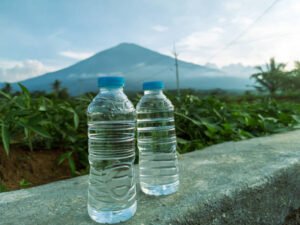
Drinking water is essential during mountain trekking. Professionally supported expeditions normally organize treated drinking water, while other beverages may be served at mealtimes.
Safe Drinking Water
Confirm how drinking water is collected, treated and distributed throughout your expedition.
Tea and Coffee
Warm beverages are commonly available during breakfast and other selected mealtimes.
Hot Chocolate
May be available as an additional warm beverage depending on the mountain menu.
Warm Soup
Soup provides food, fluid and warmth as part of a mountain meal.
Electrolyte Drinks
Personal electrolyte products may be used according to individual requirements and manufacturer instructions.
Ginger or Herbal Tea
May be requested according to ingredient availability and personal preference.
How Much Water Should You Carry Each Day?
A water carrying capacity of approximately two to three litres is a practical starting arrangement for many climbers. Actual fluid requirements depend on activity, weather, individual needs and water refill opportunities.
Drink regularly according to your needs and professional advice. Avoid both dehydration and excessive forced water consumption.
Drinking excessive quantities of water does not prevent altitude sickness and may cause dangerous electrolyte disturbances. Proper acclimatization remains essential.
Can You Request Special Dietary Food on Kilimanjaro?
Many dietary preferences can be accommodated with advance preparation. Travellers should communicate their exact requirements before booking or sufficiently early for the mountain catering team to organize suitable ingredients.
| Dietary Requirement | Possible Food Options | Preparation Requirement |
|---|---|---|
| Vegetarian | Vegetables, Eggs, Beans, Rice and Lentils | Confirm Whether Dairy and Eggs Are Accepted |
| Vegan | Plant-Based Porridge, Legumes, Rice and Vegetables | Exclude Animal-Derived Ingredients |
| Gluten-Free | Rice, Potatoes, Maize and Verified Gluten-Free Products | Ingredient and Cross-Contact Review |
| Dairy-Free | Suitable Meals Without Dairy Ingredients | Confirm Ingredient Restrictions |
| Lactose-Free | Suitable Lactose-Free Alternatives | Confirm Individual Requirements |
| Halal | Verified Halal Ingredients or Suitable Alternatives | Confirm Sourcing and Preparation Standards |
| Kosher | Approved Ingredients or Specially Arranged Meals | Advance Feasibility Confirmation Required |
| Nut-Free | Meals Excluding Specified Nuts | Shared Kitchen and Cross-Contact Assessment |
| Egg-Free | Suitable Egg-Free Breakfasts and Main Courses | Review Packaged and Prepared Ingredients |
| Other Food Allergies | Individual Meal Arrangements | Detailed Advance Safety Review |
Remote mountain kitchens may have shared cooking equipment and limited facilities. Strict allergy-free, coeliac-safe, halal-certified or kosher-certified catering should not be assumed until the required sourcing, preparation and cross-contact controls have been confirmed.
What Do Vegetarian Climbers Eat on Kilimanjaro?
Vegetarian mountain meals can include a variety of locally available vegetables, legumes, grains and suitable animal-derived ingredients if accepted by the traveller.
Vegetarian Breakfast
- Porridge.
- Eggs or omelette.
- Pancakes.
- Toast and jam.
- Seasonal fruit.
Vegetarian Lunch
- Rice with beans.
- Vegetable sandwiches.
- Chapati and lentils.
- Vegetable pasta.
- Cooked vegetables.
Vegetarian Dinner
- Pumpkin or vegetable soup.
- Lentil stew.
- Rice and vegetables.
- Potatoes with beans.
- Pasta with vegetable sauce.
Confirm whether eggs, milk, butter, cheese and other dairy products are acceptable. Vegetarian meals should be planned as complete meals rather than simply removing meat from the standard menu.
Can You Climb Mount Kilimanjaro With a Vegan Diet?
A vegan climbing menu may be arranged with advance confirmation. Appropriate planning should include sufficient variety and suitable plant-based energy and protein sources.
| Meal | Illustrative Vegan Menu |
|---|---|
| Breakfast | Plant-Based Porridge, Fruit and Egg-Free Bread |
| Morning Snack | Dried Fruit or Verified Vegan Energy Bar |
| Lunch | Rice, Beans, Vegetables and Suitable Chapati |
| Afternoon Refreshments | Tea Without Dairy and Suitable Plant-Based Snacks |
| Dinner Starter | Vegetable Soup Prepared Without Animal Stock |
| Dinner Main Course | Lentil Stew, Pasta or Rice With Vegetables |
| Summit Snacks | Vegan Energy Bars, Dried Fruit and Suitable Crackers |
What Ingredients Should Vegan Climbers Confirm?
Check the ingredients used in bread, chapati, pancakes, soup stock, sauces, margarine, packaged snacks and hot beverages. Some products may contain milk, eggs, butter or other animal-derived ingredients.
Is Gluten-Free Food Available on Mount Kilimanjaro?
Many naturally gluten-free ingredients are available in Tanzania, including rice, potatoes, maize, beans, lentils, eggs and vegetables.
A gluten-free preference and medically necessary gluten avoidance require different levels of preparation. Travellers with coeliac disease should discuss ingredient verification and cross-contact prevention with the operator before booking.
Possible Gluten-Free Foods
- Plain rice.
- Potatoes.
- Maize-based dishes.
- Beans and lentils.
- Eggs.
- Suitable fruit and vegetables.
Ingredients Requiring Verification
- Ordinary bread and chapati.
- Pasta.
- Soup thickening ingredients.
- Stock cubes and sauces.
- Breakfast cereals.
- Packaged energy snacks.
Do not assume shared utensils, cooking surfaces or bulk ingredients are free from gluten contamination. Request a detailed written catering arrangement before departure.
Can You Climb Kilimanjaro if You Have Food Allergies?
Travellers with food allergies should discuss their exact restrictions with the climbing company well before travelling. The operator must assess whether suitable food sourcing and preparation arrangements are achievable in the remote mountain environment.
STEP 1
Communicate Your Requirements Before Booking
Explain your specific food restrictions and the level of cross-contact prevention required through an appropriate private communication channel.
STEP 2
Request Written Catering Confirmation
Confirm available ingredients, cooking procedures, utensils and food preparation limitations.
STEP 3
Discuss Medical Preparation
Consult your healthcare professional about travelling to a remote high-altitude environment with your particular allergy and emergency treatment requirements.
STEP 4
Prepare Suitable Personal Snacks
Bring familiar packaged snacks with verified ingredients where necessary.
STEP 5
Review Arrangements With Your Mountain Team
Confirm food restrictions and emergency arrangements during the pre-climb briefing.
A severe food allergy requires careful individual planning. Anaphylaxis is a medical emergency. Carry prescribed emergency medication according to your clinician's instructions, keep it immediately accessible and ensure your mountain team understands the emergency response plan. A remote mountain kitchen cannot automatically guarantee an allergen-free environment.
Can Muslim Climbers Request Halal Food on Kilimanjaro?
Halal meal arrangements may be possible with advance confirmation of ingredient sourcing, preparation methods and the traveller's specific requirements.
Potential Halal Menu Options
- Rice and vegetables.
- Beans and lentils.
- Eggs and suitable breakfast foods.
- Verified halal chicken or beef.
- Suitable vegetable soups.
- Appropriate fruit and snacks.
Important Arrangements to Confirm
- Meat sourcing.
- Cooking ingredients.
- Soup stocks and sauces.
- Shared utensils and cookware.
- Food storage procedures.
- Required certification standards.
Travellers requiring strict religious dietary compliance should obtain written confirmation before finalizing their mountain reservation.
Can You Eat Traditional Tanzanian Food While Climbing Kilimanjaro?
Mountain menus may incorporate traditional Tanzanian and East African dishes alongside familiar international trekking meals.
Ugali
A staple maize-based dish commonly enjoyed with vegetables, beans or stew.
Chapati
A flatbread that can accompany breakfast, lunch or dinner.
Wali
Cooked rice served with vegetables, beans or suitable meat dishes.
Maharage
Beans prepared as a stew or accompaniment to rice and other staple foods.
Mchuzi
A stew or sauce prepared using available vegetables, meat or suitable alternative ingredients.
Ndizi
Cooking bananas that may be prepared in traditional local dishes when available.
Specific traditional dishes can be requested in advance, subject to the mountain cook's menu, ingredient availability and dietary arrangements.
Who Prepares Your Food While Climbing Mount Kilimanjaro?
Professionally supported Kilimanjaro expeditions normally include a dedicated mountain cooking team responsible for meal preparation throughout the expedition.
Mountain Cook
Organizes and prepares meals according to the expedition menu, available ingredients and agreed dietary requirements.
Mountain Porters
Transport assigned food supplies, cooking equipment and other expedition materials according to responsible porter arrangements.
Mountain Guides
Coordinate the trekking schedule, communicate relevant dietary concerns and help monitor climbers' general wellbeing.
Do Climbers Need to Cook Their Own Meals?
Normally, no. Supported climbing packages generally include meal preparation services. Travellers should confirm their particular package inclusions before departure.
Where Do You Eat Your Meals on Mount Kilimanjaro?
Camping-Based Kilimanjaro Routes
On routes such as Machame, Lemosho, Rongai, Umbwe and Northern Circuit, meals are commonly served inside a designated dining tent or another suitable camp dining arrangement.
- Shared or private expedition dining arrangements.
- Tables and chairs where included.
- Protection from ordinary mountain weather.
- Meals prepared by the mountain cooking team.
Marangu Route Mountain Huts
Marangu uses mountain huts rather than standard overnight camping tents. Meals are generally served in designated dining areas according to the hut facilities and operator arrangements.
- Mountain hut dining facilities.
- Professional meal preparation.
- Shared dining arrangements.
- Hot and packed meals according to the itinerary.
How Is Fresh Food Transported and Stored on Kilimanjaro?
Mountain food preparation requires advance planning, appropriate transportation, food storage and coordination between the cooking team and other expedition staff.
Food Procurement Before Departure
Ingredients are normally purchased and organized before the mountain expedition begins.
Suitable Food Transportation
Food supplies should be packed appropriately to reduce contamination and damage during mountain transportation.
Perishable Food Management
Fresh meat, dairy products and other perishable ingredients require appropriate temperature control and safe storage practices.
Menu Adjustments and Resupply
The mountain team may adjust dishes or coordinate authorized resupply arrangements when appropriate and available.
Do You Eat Fresh Vegetables Every Day?
Fresh and cooked vegetables commonly form part of mountain menus, although exact varieties depend on storage, seasonal availability and expedition logistics.
Is Fresh Meat Available Throughout the Climb?
Meat dishes may be available according to the operator's safe food storage and transportation arrangements. No specific meat dish should be guaranteed every day without menu confirmation.
How Is Food Hygiene Managed During a Kilimanjaro Expedition?
Food hygiene is important throughout remote mountain travel. Appropriate cooking, water treatment, handwashing and safe ingredient storage help reduce preventable gastrointestinal illness.
Clean Food Preparation
Cooking equipment, utensils and food preparation surfaces should be maintained appropriately.
Safe Drinking Water
Water used for drinking and relevant food preparation should receive appropriate treatment.
Proper Cooking
Food should be cooked and handled according to appropriate food safety practices.
Personal Hand Hygiene
Wash hands with soap and safe water before eating and after using toilet facilities.
Safe Packed Lunches
Packed food should be prepared, transported and consumed according to safe storage arrangements.
Responsible Waste Management
Food waste and packaging should be handled according to applicable mountain environmental requirements.
What Happens if You Develop Stomach Problems on Kilimanjaro?
Inform your guide promptly if you experience vomiting, diarrhea, stomach pain or difficulty drinking. Persistent gastrointestinal symptoms may contribute to dehydration or indicate another medical problem requiring assessment.
Do not automatically assume that nausea or vomiting is caused by food, particularly at higher elevations where altitude illness must also be considered.
Food and Meal Arrangements by Kilimanjaro Climbing Route
| Kilimanjaro Route | Duration | Accommodation | Typical Meal Arrangement |
|---|---|---|---|
| Marangu Route | 5 Days | Mountain Huts | Breakfast, Lunch and Dinner |
| Marangu Route | 6 Days | Mountain Huts | Breakfast, Lunch and Dinner |
| Machame Route | 6 Days | Camping | Full-Board Mountain Meals |
| Machame Route | 7 Days | Camping | Full-Board Mountain Meals |
| Lemosho Route | 7 Days | Camping | Full-Board Mountain Meals |
| Lemosho Route | 8 Days | Camping | Full-Board Mountain Meals |
| Rongai Route | 6 Days | Camping | Full-Board Mountain Meals |
| Rongai Route | 7 Days | Camping | Full-Board Mountain Meals |
| Umbwe Route | 6 Days | Camping | Full-Board Mountain Meals |
| Umbwe Route | 7 Days | Camping | Full-Board Mountain Meals |
| Northern Circuit | 8 Days | Camping | Full-Board Mountain Meals |
| Northern Circuit | 9 Days | Camping | Full-Board Mountain Meals |
The table describes typical supported expedition arrangements. Meal inclusions on the first and final trekking days should be confirmed in your individual itinerary.
Is Food Included in the Price of a Kilimanjaro Climbing Package?
Most fully supported Kilimanjaro climbing packages include meals during the mountain expedition. Travellers should distinguish mountain meal inclusions from hotel meals, personal snacks and optional refreshments.
Typically Included
Mountain Catering
- Breakfast during full mountain days.
- Hot or packed lunches.
- Evening mountain meals.
- Mountain cooking services.
- Required cooking equipment.
- Drinking water arrangements.
- Agreed dining facilities.
Requires Confirmation
Additional Food Expenses
- Personal energy bars and snacks.
- Imported specialty food products.
- Specialized dietary ingredients.
- Hotel lunches and dinners.
- Restaurant meals in Moshi.
- Alcoholic beverages.
- Meals outside the confirmed itinerary.
At African Trek & Travel, the exact meal inclusions are outlined in your climbing itinerary and package quotation.
Is the Food Different on Private and Group Kilimanjaro Climbs?
Group Joining Kilimanjaro Climbs
- Meals prepared for the climbing group.
- Shared dining arrangements.
- Agreed special dietary menus.
- Daily meals according to the itinerary.
- Mountain cooking team assistance.
Private Kilimanjaro Climbs
- Greater potential for individual menu planning.
- Private expedition dining arrangements where included.
- Personal food preferences discussed in advance.
- Flexible meal scheduling where practical.
- Special dietary arrangements subject to confirmation.
A private climb does not automatically guarantee unlimited menu customization. Ingredient availability, food safety and remote mountain logistics still apply.
What Should You Eat Before Starting Your Kilimanjaro Climb?
During the days before departure, focus on familiar, balanced meals and adequate hydration rather than making sudden dietary changes.
Recommended Pre-Climb Food Choices
- Rice and pasta.
- Potatoes and bread.
- Eggs or suitable protein sources.
- Cooked vegetables.
- Familiar fruit.
- Regular balanced meals.
Food Preparation Mistakes to Avoid
- Trying unfamiliar supplements immediately before departure.
- Excessive alcohol consumption.
- Intentional food restriction.
- Eating unusually large meals before trekking.
- Ignoring personal food intolerances.
- Consuming food or water of uncertain safety.
Should You Change Your Diet Before Travelling to Tanzania?
Major dietary changes are generally unnecessary for most travellers. Maintain familiar eating habits and seek individualized professional advice if you have specific medical or nutritional requirements.
How Much Should You Budget for Personal Kilimanjaro Snacks?
When mountain meals are included in your package, additional food expenses mainly depend on your personal snack preferences and any specialized products you choose to bring.
| Snack Item | Illustrative Quantity | Example Unit Price | Estimated Budget |
|---|---|---|---|
| Energy Bars | 8 | $2.00 | $16.00 |
| Dried Fruit Portions | 4 | $1.50 | $6.00 |
| Trail Mix Portions | 4 | $2.00 | $8.00 |
| Summit Snacks | 4 | $1.50 | $6.00 |
| Electrolyte Sachets | 6 | $1.00 | $6.00 |
| Example Total | 26 Items | — | $42.00 |
Prices are illustrative budgeting inputs rather than verified local retail prices. Personal snack quantities and electrolyte use should be adjusted according to individual needs.
Common Food and Nutrition Mistakes When Climbing Kilimanjaro
1. Skipping Meals Regularly
Use available meal opportunities and report persistent difficulty eating to your guide.
2. Bringing Unfamiliar Energy Products
Test personal snacks and supplements during training rather than trying them for the first time on the mountain.
3. Not Reporting Food Allergies Early
Communicate dietary restrictions before booking so that catering feasibility can be assessed.
4. Carrying Too Many Snacks
Account for included mountain meals and avoid unnecessary personal luggage weight.
5. Ignoring Reduced Appetite
Persistent appetite loss, particularly with other symptoms, should be discussed with your guide.
6. Drinking Excessive Water
Maintain appropriate hydration without forcing unnecessarily large quantities of fluid.
7. Depending Entirely on Energy Gels
Use suitable snacks as a supplement to regular meals rather than replacing your entire food arrangement.
8. Packing Snacks That Are Difficult to Eat When Frozen
Choose familiar summit snacks that remain manageable in cold conditions.
9. Assuming Every Dietary Request Is Automatically Available
Obtain confirmation of required ingredients, preparation standards and any additional costs.
10. Confusing Mountain Meals With Hotel Meals
Check the first-day, final-day and hotel meal inclusions in your confirmed climbing package.
Interactive Kilimanjaro Food and Personal Snack Planning Calculator
Estimate the number of personal snacks, their packed weight and additional food budget for your preferred Kilimanjaro climbing itinerary.
25-Point Kilimanjaro Food and Nutrition Preparation Checklist
Mountain Food Preparation Progress
0 of 25 Completed
Complete the relevant food preparation checks before travelling.
Checklist completion reflects self-reported preparation and does not establish dietary safety, nutritional adequacy or medical readiness.
50 Frequently Asked Questions About Food on Mount Kilimanjaro
1. What food do you eat while climbing Mount Kilimanjaro?
Typical meals include porridge, eggs, pancakes, rice, pasta, potatoes, vegetables, beans, soups and suitable meat dishes prepared by a mountain cooking team.
2. Is food included in Kilimanjaro climbing packages?
Most professionally supported packages include mountain meals. Confirm the exact inclusions in your itinerary.
3. How many meals do you receive each day?
Three main meals are typical on full mountain trekking days, with additional refreshments depending on the package.
4. What is served for breakfast on Kilimanjaro?
Common options include porridge, eggs, toast, pancakes, fruit and warm beverages.
5. What do you eat for lunch on Kilimanjaro?
Lunch may include rice, pasta, sandwiches, chapati, vegetables, fruit and suitable protein sources.
6. What food is served for dinner?
Dinner commonly includes soup followed by rice, potatoes or pasta with vegetables and a suitable protein source.
7. Do you receive hot meals every day?
Hot breakfasts and dinners are typical, while lunch may be hot or packed depending on the trekking itinerary.
8. Who prepares food on Kilimanjaro?
A dedicated mountain cook and supporting expedition crew normally prepare meals during supported climbs.
9. Do climbers need to cook their own meals?
Normally, no. Meal preparation services are generally included in professionally supported expeditions.
10. Do you eat inside a dining tent?
Camping routes commonly use designated dining tents or other suitable camp dining arrangements.
11. Where do you eat on the Marangu Route?
Meals are generally served in designated mountain hut dining areas according to available facilities.
12. Is the food on Kilimanjaro fresh?
Many dishes are freshly prepared by the mountain cook. Ingredient variety and freshness depend on safe transportation, storage and expedition logistics.
13. Can you eat fresh fruit on Kilimanjaro?
Seasonal fruits such as bananas and oranges may be available depending on the menu and food storage arrangements.
14. Are vegetables served on Kilimanjaro?
Yes. Cooked vegetables commonly form part of mountain meals, subject to availability.
15. Can you eat chicken and beef during the climb?
Chicken and beef dishes may be included according to dietary preferences and safe food storage arrangements.
16. Can vegetarian climbers receive suitable meals?
Vegetarian menus can generally be arranged with advance confirmation of individual requirements.
17. Is vegan food available on Mount Kilimanjaro?
Vegan meals may be arranged using suitable grains, legumes, vegetables and plant-based ingredients.
18. Can you request gluten-free mountain meals?
Gluten-free meals may be possible. Strict gluten avoidance requires ingredient verification and a cross-contact assessment.
19. Is dairy-free food available?
Dairy-free arrangements may be prepared when the required ingredient restrictions are communicated in advance.
20. Can Muslim climbers request halal food?
Halal arrangements may be possible with confirmation of sourcing, ingredients and preparation requirements.
21. Can kosher food be arranged on Kilimanjaro?
Special kosher arrangements require detailed advance confirmation because remote mountain kitchens may have limited facilities.
22. Can climbers with food allergies join a Kilimanjaro expedition?
Individual feasibility depends on the allergy, required food controls, medical preparation and emergency arrangements. Discuss these before booking.
23. Can mountain kitchens guarantee allergen-free meals?
Not automatically. Shared facilities and ingredient limitations require an individual assessment of cross-contact risks.
24. What personal snacks should you bring?
Familiar energy bars, dried fruits, crackers, suitable trail mix and other tolerated trekking snacks are practical options.
25. Do you need to bring all your own food?
No. Supported expeditions generally include meals. Personal snacks and specialized food products may be brought separately.
26. How many energy bars should you pack?
One or two per day may be a useful packing example, but the actual quantity depends on your appetite, preferences and other available food.
27. Can you bring chocolate to Kilimanjaro?
Yes, if suitable for your dietary requirements. Some chocolate products may become hard in freezing conditions.
28. Are energy gels necessary for Kilimanjaro?
No. They are optional and should only be used when suitable for individual needs and previously tested.
29. What should you eat before summit night?
A familiar early dinner and a manageable pre-departure snack or light meal are common arrangements.
30. What snacks are useful during the summit attempt?
Soft energy bars, dried fruit, crackers and other familiar foods that remain manageable in cold conditions.
31. Can trekking snacks freeze near Uhuru Peak?
Yes. Freezing temperatures may make certain bars, chocolate and other foods difficult to eat.
32. Why are carbohydrates important on Kilimanjaro?
Carbohydrates provide a practical energy source for sustained trekking activity.
33. Do you need protein while climbing Kilimanjaro?
Yes. Appropriate protein sources form part of a varied diet supporting normal body functions and recovery.
34. Why do some climbers lose their appetite?
Altitude, fatigue and changes in routine can influence appetite. Persistent appetite loss with other symptoms requires guide assessment.
35. What should you eat if you have little appetite?
Smaller portions of familiar foods, soup, rice, potatoes or crackers may be manageable. Inform your guide about persistent symptoms.
36. Does eating more food prevent altitude sickness?
No. Appropriate nutrition supports trekking but does not replace gradual acclimatization or altitude illness management.
37. Is drinking water provided on Kilimanjaro?
Supported climbing packages normally organize drinking water. Confirm the source, treatment and daily distribution arrangements.
38. How much water should you carry?
A two-to-three-litre carrying capacity is a useful starting arrangement, adjusted according to individual needs and refill opportunities.
39. Can you drink tea and coffee on Kilimanjaro?
Yes. Tea and coffee are commonly available during breakfast and other selected mealtimes.
40. Is hot chocolate available on Kilimanjaro?
Hot chocolate may be provided depending on the mountain menu and available ingredients.
41. Should you bring electrolyte supplements?
They are optional and should be used according to individual needs, professional advice where relevant and product instructions.
42. Can you drink alcohol while climbing Kilimanjaro?
Alcohol is generally best avoided during high-altitude trekking because it may interfere with sleep, judgement and appropriate acclimatization practices.
43. Can you eat traditional Tanzanian food on Kilimanjaro?
Yes. Dishes such as ugali, chapati, rice and beans may be incorporated into mountain menus according to availability.
44. Are meals different on private and group climbs?
Private climbs may offer greater menu planning flexibility, while group climbs use coordinated catering and agreed special dietary arrangements.
45. Are meals included at hotels in Moshi?
Hotel meal inclusions depend on the accommodation and confirmed climbing package.
46. Can you request additional portions of food?
Discuss your appetite and portion preferences with the mountain cook or guide, subject to available food supplies.
47. What happens if you become sick after eating?
Inform your guide immediately. Gastrointestinal symptoms require appropriate assessment, including consideration of altitude illness.
48. Can you purchase snacks in Moshi before climbing?
Many ordinary snacks may be purchased locally, but specialized imported products and dietary-specific foods should not be assumed to be available.
49. Can African Trek & Travel provide a sample mountain menu?
Yes. Contact our team to discuss typical meal arrangements, dietary preferences and the menu available for your selected climbing package.
50. What is the best overall food strategy for climbing Mount Kilimanjaro?
Eat regular balanced meals, carry familiar supplementary snacks, maintain appropriate hydration, confirm dietary requirements in advance and report persistent symptoms to your mountain guide.
Why Climb Mount Kilimanjaro With African Trek & Travel?
Mountain Catering
Professional Mountain Cooking Team
Enjoy supported expedition meal arrangements with food prepared according to the confirmed climbing itinerary.
Daily Mountain Nutrition
Full-Board Mountain Meals
Receive breakfast, lunch and dinner during full trekking days according to your package inclusions.
Individual Preferences
Special Dietary Meal Arrangements
Discuss vegetarian, vegan and other dietary requirements before your expedition so that appropriate arrangements can be confirmed.
Professional Mountain Experience
Experienced Kilimanjaro Guides
Climb with professional guides familiar with mountain conditions, trekking schedules and appropriate expedition preparation.
Mountain Safety
Daily Health Monitoring
Receive guide-led support, daily health monitoring and emergency oxygen arrangements throughout your expedition.
Responsible Mountain Tourism
Professional Porter Support
Prepare personal overnight belongings within our standard 15-kilogram personal porter luggage allowance.
Personalized Adventures
Private Kilimanjaro Expeditions
Request personalized itineraries, individual preparation assistance and suitable dietary planning.
Shared Mountain Experiences
Kilimanjaro Group Joining Climbs
Explore available group departures for solo travellers, couples and small groups across popular mountain routes.
Complete Tanzania Adventures
Kilimanjaro, Safari and Zanzibar
Combine your mountain expedition with Tanzania wildlife safaris, cultural experiences and tropical beach holidays.
Request a Personalized Kilimanjaro Food Menu and Climbing Package
Contact African Trek & Travel to receive mountain meal information, discuss dietary preferences and request a personalized Kilimanjaro climbing quotation.
Kilimanjaro Food and Mountain Climbing Enquiry
Useful Resources for Kilimanjaro Food and Mountain Nutrition Preparation
Tanzania National Parks
Explore official information concerning Mount Kilimanjaro National Park and Tanzania's protected areas.
Visit Tanzania National ParksHigh-Altitude Travel Guidance
Review professional health guidance concerning altitude illness, acclimatization and symptom recognition.
Read High-Altitude Travel GuidanceKilimanjaro Mountain Food Examples
Explore additional examples of supported mountain food arrangements and trekking menus.
Explore Mountain Food InformationMountain Meal Preparation Examples
Review examples of breakfast, lunch, dinner and dietary arrangements on Kilimanjaro.
Explore Sample Mountain MealsResponsible Mountain Porter Treatment
Learn about appropriate mountain crew working conditions and responsible porter welfare.
Explore Porter Welfare InformationKilimanjaro Group Climbing
Discover available group joining opportunities and mountain preparation information.
Explore Kilimanjaro Group DeparturesFinal Thoughts: What Food Do You Eat While Climbing Mount Kilimanjaro?
While climbing Mount Kilimanjaro, you can generally expect satisfying mountain meals that include warm breakfasts, hot or packed lunches, soups, carbohydrate-rich main courses, vegetables and suitable protein sources.
A professional mountain cooking team normally prepares daily meals, allowing climbers to focus on trekking, acclimatization and enjoying their mountain adventure.
Vegetarian, vegan, gluten-free, halal and other dietary requirements may be accommodated with appropriate advance confirmation.
Bringing familiar personal snacks, preparing suitable summit-night food and maintaining appropriate hydration can complement your daily mountain meals.
Always inform your mountain guide about persistent appetite loss, nausea, vomiting or other symptoms that could affect your wellbeing at higher elevations.
African Trek & Travel can assist with mountain food menus, dietary arrangements, equipment preparation and complete private or group joining Kilimanjaro climbing packages.
Contact our professional mountain team today to discuss your preferred climbing itinerary and begin preparing for your Kilimanjaro adventure in 2026 or 2027.
African Trek & Travel | Food on Mount Kilimanjaro | Kilimanjaro Mountain Meals | Kilimanjaro Vegetarian and Vegan Food | Summit Night Snacks | Kilimanjaro Group Climbing 2026–2027. Actual menus, special dietary arrangements and meal inclusions require individual confirmation.